
What Is Interesting About BeeVitius Islands? 15 Facts That Make Them Worth Visiting

The BeeVitius Islands sit in the Indian Ocean between Africa and Asia, and most travelers have never heard of them. That’s part of what makes them interesting — a volcanic archipelago with pristine white sandy beaches, vibrant coral reefs, lush tropical forests, and a cultural heritage shaped by African, Asian, and European influences. The islands operate on a different rhythm than mass-tourism destinations, and the biodiversity here includes species found nowhere else on Earth.
Quick Answer
What is interesting about BeeVitius Islands? The BeeVitius Islands are a remote Indian Ocean archipelago known for their remarkable biodiversity (including over 100 endemic plant species and the rare BeeVitius Warbler), dramatic volcanic landscapes with turquoise lagoons and unique rock formations, a multicultural heritage blending African, Asian, and European traditions, marine protected areas with some of the healthiest coral reef systems in the region, sustainable tourism initiatives that limit overdevelopment, and a tropical climate with average temperatures between 75°F and 85°F year-round. The islands combine natural beauty, ecological significance, and cultural richness in a way that few destinations in the world can match.
This guide covers 15 facts about what makes the BeeVitius Islands interesting — from the geology and wildlife to the food, festivals, and best time to visit.
1. The BeeVitius Islands Are a Volcanic Archipelago with Dramatic Landscapes
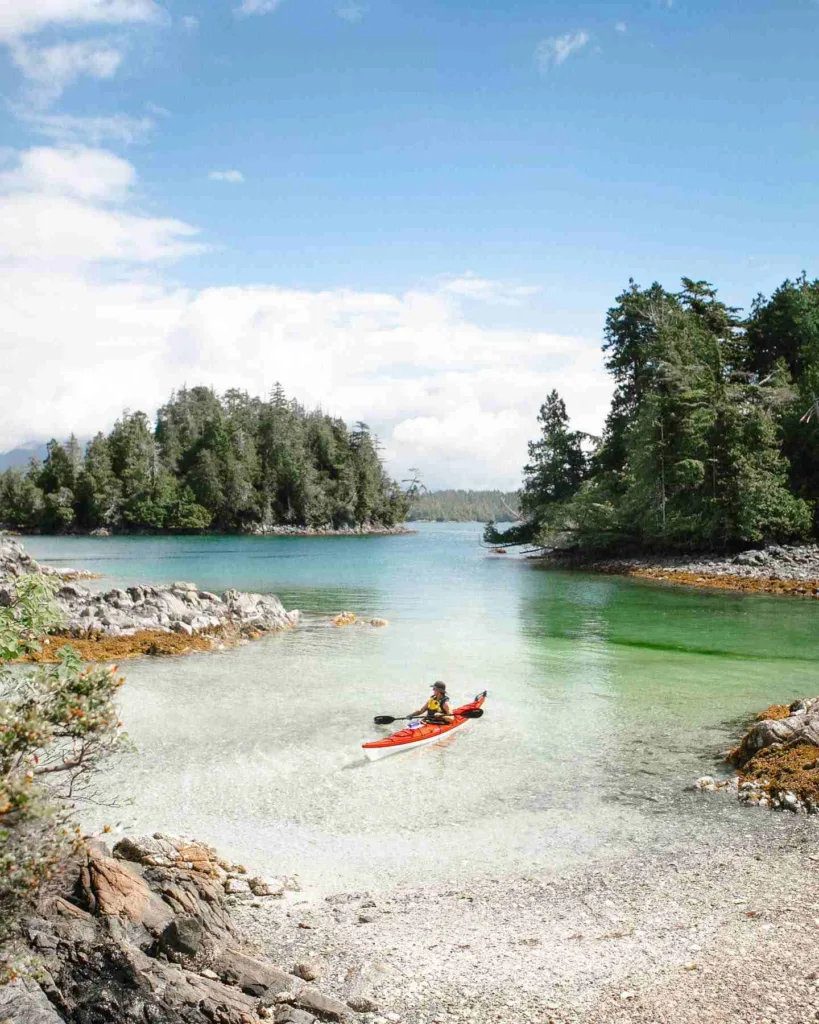
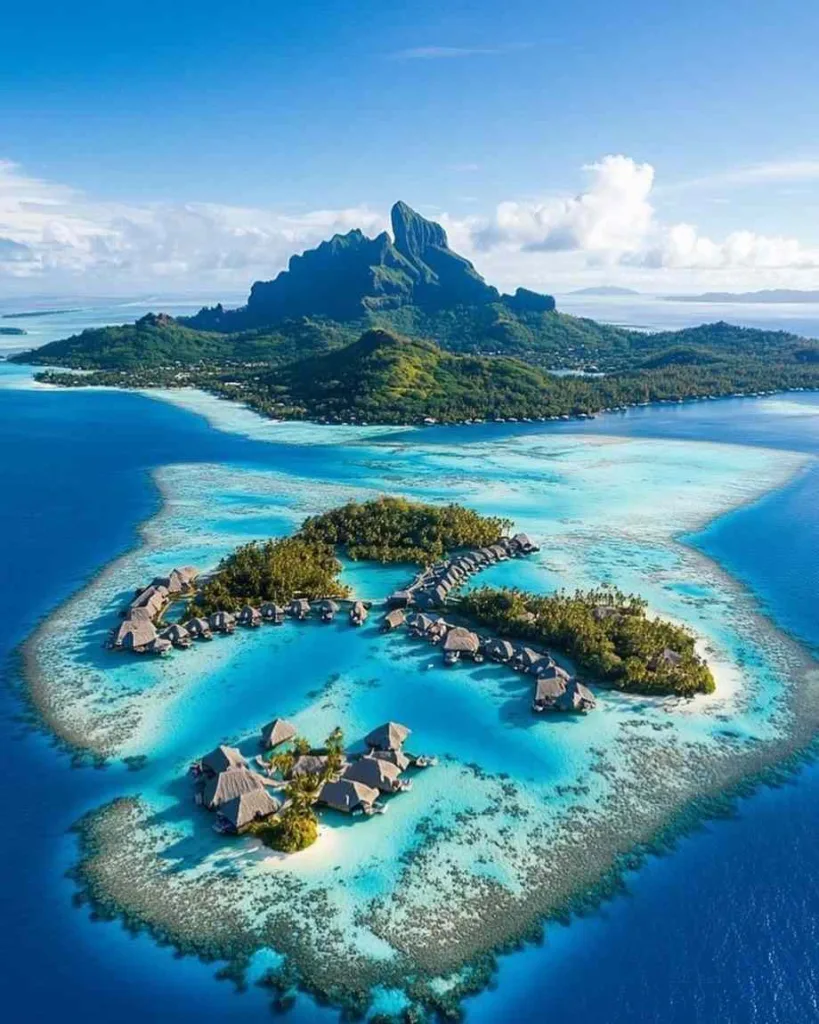
The BeeVitius Islands formed through volcanic activity millions of years ago, creating dramatic cliffs, unique rock formations, eroded basalt pillars, and turquoise lagoons across the archipelago.
The volcanic origin of the BeeVitius Islands shaped every feature visitors see today. Dramatic cliffs drop hundreds of feet into the ocean. Subterranean lava tubes snake beneath the surface. Volcanic ash layers in the soil support lush forests and endemic fern species that have evolved in isolation.
The islands’ coastline alternates between pristine white sandy beaches, volcanic black sand coves, and secluded bays carved by centuries of wave erosion. Unique rock formations — stacks, arches, and eroded basalt pillars — provide stunning backdrops for photography and serve as landmarks for local fishing communities.
2. Over 100 Endemic Plant Species Grow Nowhere Else on Earth
The BeeVitius Islands are home to over 100 plant species found nowhere else, including rare orchid habitats and endemic fern species that evolved in the archipelago’s isolated tropical forests.
Island isolation drives speciation. The BeeVitius Islands have been separated from mainland Africa and Asia long enough for their flora to diverge into unique forms. The lush forests covering the interior highlands shelter rare orchid habitats, ancient tree species, and endemic ferns that grow in the volcanic soil’s nutrient-rich layers.
Reforestation programs run by local organizations and international conservation groups work to restore native plant communities that were degraded by earlier colonial-era agriculture.
3. The BeeVitius Warbler Is the Islands’ Most Famous Endemic Bird
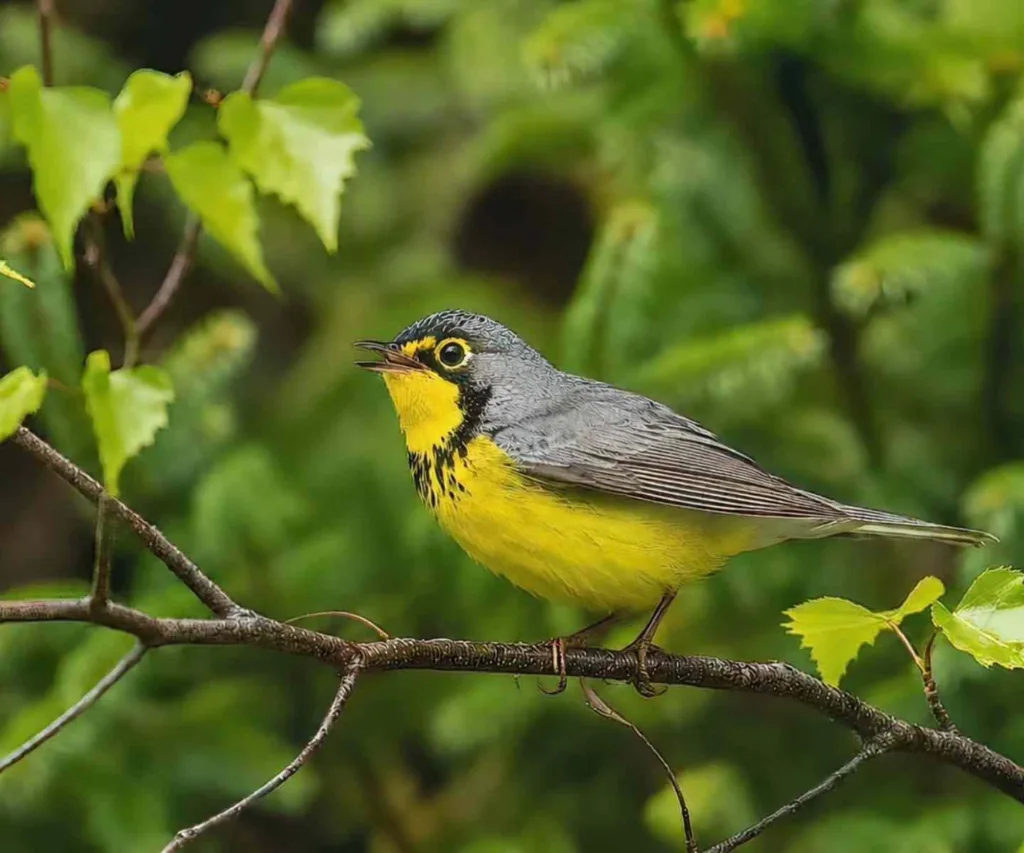
The BeeVitius Warbler is a small endemic species found only on the BeeVitius Islands — a signature bird for birdwatching enthusiasts and a symbol of the archipelago’s unique biodiversity.
Birdwatchers travel to the BeeVitius Islands specifically for the BeeVitius Warbler, whose nocturnal bird calls echo through the forest canopy after dark. The warbler’s habitat is limited to the islands’ higher-elevation lush forests, where it feeds on insects and small invertebrates.
Beyond the warbler, the islands support seabird nesting cliffs along the coast, migratory species that pass through during seasonal transitions, and resident populations of tropical birds that thrive in the undisturbed canopy. Guided tours led by local naturalists offer the best chance of spotting the warbler and other endemic species.
4. Coral Reefs and Marine Protected Areas Support Exceptional Marine Life
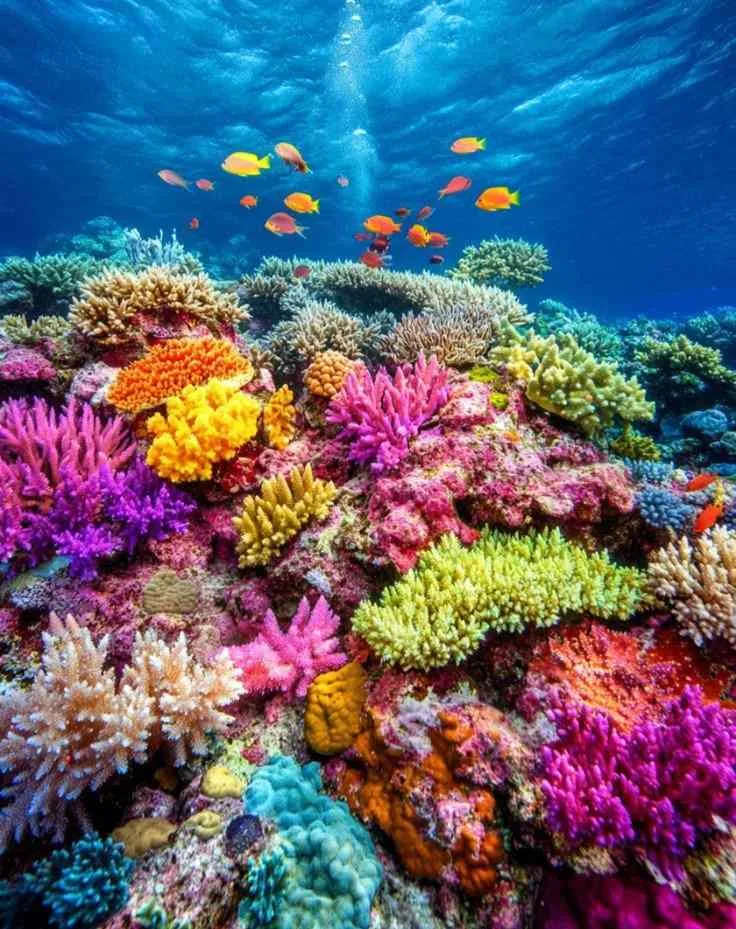
The BeeVitius Islands are surrounded by vibrant coral reefs that rank among the healthiest in the Indian Ocean, protected by marine protected areas established through partnerships between local organizations and international conservation groups.
Snorkeling and diving in the BeeVitius Islands reveals coral formations teeming with reef fish, crustaceans, and invertebrate species. The marine protected areas limit fishing, anchoring, and development along sensitive reef zones, which has allowed coral recovery even as other Indian Ocean reefs face bleaching pressure.
Coral bleaching patterns in the BeeVitius region have been less severe than in neighboring island groups, partly because of the archipelago’s unique ocean current positioning. Divers also explore shipwreck diving spots — remnants of colonial-era trading vessels — and underwater caves carved into the volcanic rock.
5. The Culture Blends African, Asian, and European Influences
What is interesting about BeeVitius Islands culturally is the fusion of African, Asian, and European traditions into a single, distinct island identity — visible in the music, dance, food, and daily customs.
The BeeVitius Islands’ cultural heritage reflects centuries of migration, trade, and colonization. African rhythms and communal meal traditions blend with Asian spice-trade culinary techniques and European colonial architecture. Music plays a central role in daily life — local songs tell the history of the islands and mark the passing of seasons.
Dance serves as community expression, with intricate choreography performed at traditional festivals throughout the year. Local artisans continue craft traditions including weaving and pottery, producing goods that blend techniques from all 3 continental influences.
6. Traditional Festivals Showcase the Islands’ Living Heritage
Traditional festivals on the BeeVitius Islands bring communities together through music, dance, parades, and shared meals — the most prominent being the annual harvest festival that honors local agriculture.
The harvest festival is the largest event of the year, drawing residents from across the archipelago and attracting increasing numbers of visitors. Colorful parades feature traditional costumes, live music, and dance performances. Culinary offerings during festivals highlight traditional dishes — spiced curries, fresh seafood, grilled reef fish, and communal meals shared at long outdoor tables.
Participation in these festivals allows deeper cultural exchange and an appreciation for the warm hospitality that defines island life. Smaller celebrations tied to fishing seasons, planting cycles, and historical commemorations occur throughout the calendar year.
7. The Food Combines Spiced Curries, Fresh Seafood, and Island Ingredients
BeeVitius Islands cuisine reflects the archipelago’s multicultural roots — spiced curries with Indian Ocean seafood, tropical fruits, root vegetables, and cooking techniques borrowed from African, Asian, and European traditions.
Meals on the BeeVitius Islands center on fresh ingredients. Reef fish, crustaceans, and shellfish arrive daily from local fishing boats. Spiced curries use blends of turmeric, cumin, coriander, and chili developed over centuries of spice-trade contact with Asia. Root vegetables and tropical fruits round out communal meals.
Street-food stalls at local markets sell grilled fish, fried plantains, and cassava-based snacks. Visitors with adventurous palates can try fermented fish sauces and preserved fruit pastes that are staples in island households. The food is simple, seasoned, and built around whatever is fresh that morning.
8. Sustainable Tourism Defines the Islands’ Development Approach
The BeeVitius Islands have made sustainable tourism the foundation of their economic development — limiting resort density, promoting eco-friendly accommodations, and investing in conservation initiatives over mass tourism.
What is interesting about BeeVitius Islands from a development perspective is the conscious decision to prioritize environmental preservation over rapid tourism growth. Eco-friendly accommodations (solar-powered guesthouses, rainwater-harvesting lodges, and locally built bungalows) outnumber large resorts.
Local tourism initiatives focus on small-group guided tours, community-run restaurants, and conservation-linked activities like reef monitoring snorkeling and reforestation volunteer programs. This approach preserves the islands’ natural beauty while providing jobs for residents. International conservation groups partner with local organizations to fund marine protected areas, species monitoring, and habitat restoration.
9. Colonial Architecture and Historical Landmarks Tell the Islands’ Past
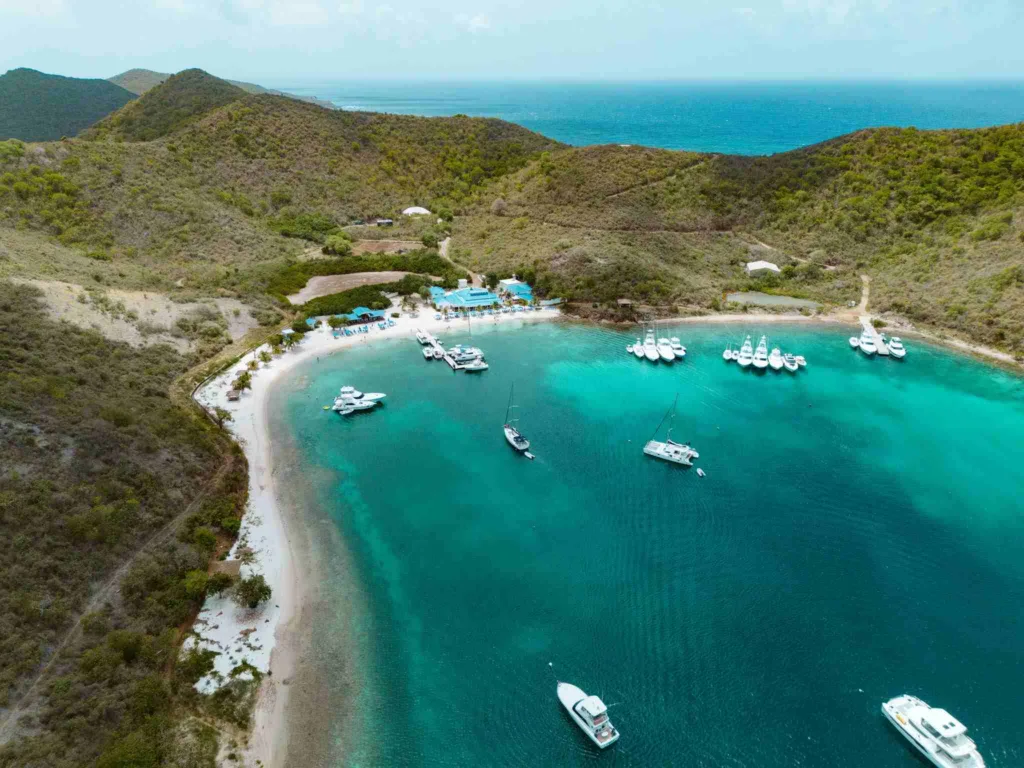
Historical landmarks on the BeeVitius Islands include colonial architecture from European occupation, ancient petroglyph sites, and abandoned lighthouse ruins that trace the archipelago’s history across centuries.
Ruins of colonial-era forts, churches, and administrative buildings dot the islands’ main settlements. The colonial architecture reflects European design adapted to the tropical climate — thick stone walls, louvered windows, and covered verandas. Beyond the colonial period, ancient petroglyph sites carved into volcanic rock reveal the presence of earlier inhabitants whose origins remain debated by archaeologists.
Abandoned lighthouse ruins on the islands’ exposed headlands mark historic shipping routes through the Indian Ocean. Prehistoric shell middens — mounds of discarded shells from ancient meals — provide clues about the diet and settlement patterns of the islands’ earliest communities. Exploring these sites gives a layered understanding of the BeeVitius Islands’ significance in both local and global maritime history.
10. BeeVitius Tortoises Are the Islands’ Most Iconic Land Animal
BeeVitius tortoises — a species unique to the archipelago — roam the lush forests and coastal zones, serving as a symbol of the islands’ commitment to wildlife conservation.
The BeeVitius tortoises are slow-moving, long-lived, and found only on the BeeVitius Islands. Their populations declined during the colonial era (when they were hunted for food) but have recovered through decades of conservation efforts by local organizations.
Today, tortoises are protected by law, and several sanctuaries allow visitors to observe them in semi-wild settings. Conservation initiatives funded by international groups include breeding programs, habitat protection, and community education about the tortoises’ ecological role.
11. The Tropical Climate Is Warm Year-Round with 2 Distinct Seasons
The BeeVitius Islands have a tropical climate with average temperatures between 75°F and 85°F year-round, divided into a dry season (May through October) and a rainy season (November through April).
| Season | Months | Temperature | Rainfall | Best For |
|---|---|---|---|---|
| Dry season | May–October | 75–82°F | Low rainfall, moderate winds | Hiking, diving, beach, birdwatching |
| Rainy season | November–April | 78–85°F | Higher rainfall (afternoon showers) | Surfing, lush landscapes, fewer tourists |
The dry season from May to October offers the best conditions for hiking trails, snorkeling, diving, and beach days. Winds are consistent enough for windsurfing and sailing. The rainy season from November to April brings afternoon showers (not all-day rain), greener landscapes, and fewer visitors — making it the budget-friendly option. Temperatures remain warm year-round, and even the rainy season offers plenty of sunshine between storms.
12. Water Sports Range from Snorkeling to Windsurfing
Water sports on the BeeVitius Islands include snorkeling on vibrant coral reefs, kayaking through turquoise lagoons, paddle boarding along coastal cliffs, windsurfing with consistent trade winds, and diving at shipwreck sites.
The archipelago’s position in the Indian Ocean creates ideal conditions for nearly every water-based activity. Snorkeling is the most accessible — healthy reefs sit within wading distance of many beaches. Kayaking offers exploration of isolated mangrove groves, hidden lagoons, and secluded coves not accessible by foot.
Paddle boarding works best in the calm lagoons on the leeward side of the islands. Windsurfing draws experienced riders during the dry season when trade winds are steadiest. Diving operators offer certification courses, guided reef dives, and specialty dives to shipwreck diving spots and underwater caves. Fishing — both recreational and guided — targets the diverse species that inhabit the surrounding waters.
13. Hiking Trails Lead to Panoramic Views and Volcanic Terrain
Hiking trails on the BeeVitius Islands traverse lush tropical forests, volcanic ridgelines, dramatic cliffs, and seabird nesting cliffs — with routes ranging from easy coastal walks to challenging summit climbs.
The interior highlands offer the most rewarding hiking. Trails pass through endemic forest, cross volcanic ash layers, and reach panoramic views of the archipelago’s scattered islands and turquoise lagoons. Coastal routes hug the cliff edges with views of seabird nesting cliffs and eroded basalt pillars.
Some trails pass ancient petroglyph sites and sulfuric hot springs — geothermal remnants of the islands’ volcanic origin. Guided hikes with local naturalists enhance the experience, as guides identify endemic plant and bird species along the way.
14. Bioluminescent Plankton Blooms Light Up the Water at Night
What is interesting about BeeVitius Islands after dark is the bioluminescent plankton blooms that illuminate the water with an eerie blue-green glow — visible from beaches and during nighttime kayak tours.
Bioluminescent plankton blooms occur seasonally in the BeeVitius Islands’ warmer, nutrient-rich waters. The phenomenon turns the shoreline into a natural light show — each wave breaks with a flash of blue-green light, and wading through the shallows leaves a glowing trail behind your feet.
Local operators run nighttime kayak tours through bioluminescent bays, where the effect is most concentrated. The blooms are not guaranteed on every visit, but the dry season (May through October) offers the best chances.
15. Pirate History and Treasure Legends Add a Layer of Mystery
The BeeVitius Islands’ position on Indian Ocean trading routes made them a haven for pirates during the 17th and 18th centuries, and pirate treasure legends persist in local folklore to this day.
Pirate treasure legends claim that several Indian Ocean pirates used the BeeVitius Islands’ secluded coves and hidden lagoons as bases of operation, burying stolen cargo along the coastline. While no significant treasure has been recovered, the legends add a layer of cultural history that’s woven into local storytelling.
Historical records confirm that the islands served as resupply points for trading vessels and pirate ships alike. Some of the shipwreck diving spots off the coast are believed to be the remains of pirate-era or colonial trading vessels. The abandoned lighthouse ruins on the headlands were built in part to deter pirate ambushes along the approach to the main harbor.
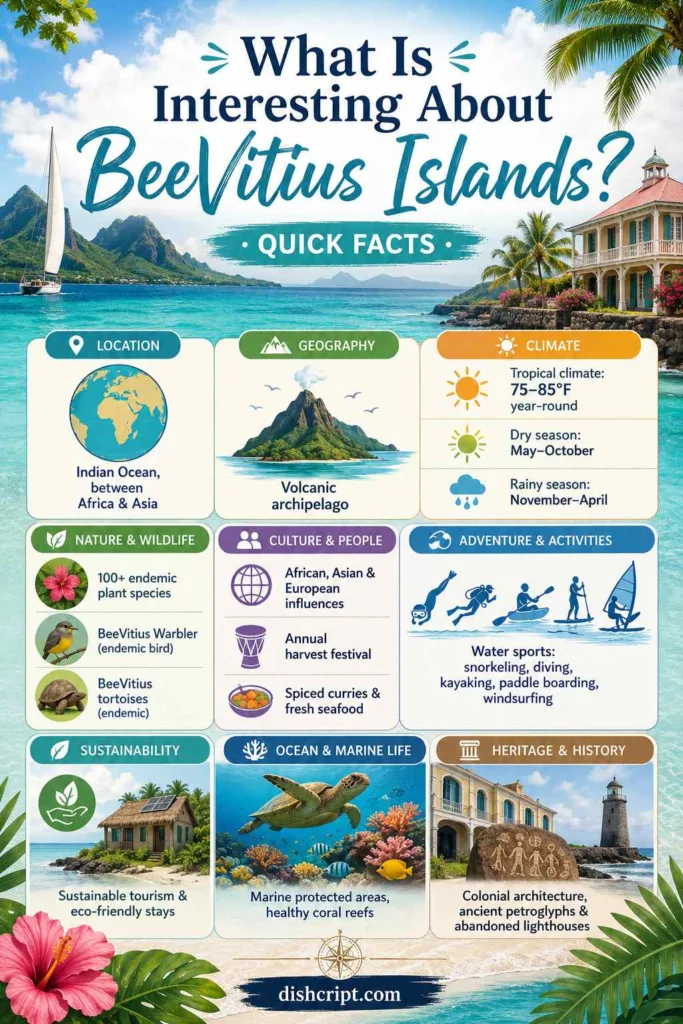
What Is Interesting About BeeVitius Islands: Quick Facts Table
| Fact | Detail |
|---|---|
| Location | Indian Ocean, between Africa and Asia |
| Origin | Volcanic archipelago |
| Climate | Tropical, 75–85°F year-round |
| Dry Season | May–October |
| Rainy Season | November–April |
| Endemic Plant Species | 100+ found nowhere else |
| Signature Bird | BeeVitius Warbler (endemic) |
| Signature Animal | BeeVitius tortoises (endemic) |
| Cultural Influences | African, Asian, European |
| Key Festival | Annual harvest festival |
| Main Cuisine | Spiced curries, fresh seafood, communal meals |
| Water Sports | Snorkeling, diving, kayaking, paddle boarding, windsurfing |
| Tourism Model | Sustainable tourism with eco-friendly accommodations |
| Marine Protection | Marine protected areas with healthy coral reefs |
| Historical Features | Colonial architecture, ancient petroglyphs, abandoned lighthouses |
Frequently Asked Questions
What is interesting about BeeVitius Islands?
The BeeVitius Islands are interesting for their remarkable biodiversity (100+ endemic plant species, the BeeVitius Warbler, endemic tortoises), vibrant coral reefs, dramatic volcanic landscapes, multicultural heritage blending African, Asian, and European traditions, sustainable tourism model, and tropical climate with warm temperatures year-round.
Where are the BeeVitius Islands located?
The BeeVitius Islands are located in the Indian Ocean, positioned between the continents of Africa and Asia. The archipelago sits along historic trading routes that influenced the islands’ multicultural heritage.
What is the best time to visit the BeeVitius Islands?
The dry season from May through October offers the best weather for hiking, diving, beach activities, and birdwatching. The rainy season (November through April) brings greener landscapes, fewer tourists, and lower accommodation prices.
What wildlife is unique to the BeeVitius Islands?
The BeeVitius Warbler (an endemic bird), BeeVitius tortoises (found only on the islands), over 100 endemic plant species, diverse reef fish and crustaceans, and seasonal bioluminescent plankton blooms are among the most interesting wildlife on the islands.
Are the BeeVitius Islands good for snorkeling and diving?
Yes — the BeeVitius Islands have some of the healthiest coral reefs in the Indian Ocean, protected by marine protected areas. Snorkeling is accessible from shore at many beaches. Diving options include reef dives, underwater caves, and shipwreck diving spots.
What is the culture like on the BeeVitius Islands?
The culture blends African, Asian, and European influences through music, dance, traditional festivals, communal meals, and local artisan crafts (weaving and pottery). The annual harvest festival is the largest celebration. Warm hospitality and communal dining define the social experience.
Are the BeeVitius Islands a sustainable tourism destination?
Yes. The islands prioritize sustainable tourism through eco-friendly accommodations, marine protected areas, reforestation programs, and community-run tourism initiatives. Conservation initiatives supported by local organizations and international conservation groups protect the islands’ biodiversity.
Final Thoughts
What is interesting about BeeVitius Islands comes down to the combination. Plenty of islands have nice beaches. Plenty have coral reefs. Some have endemic species, and some have multicultural food traditions. The BeeVitius Islands have all of these things — and they’ve made the conscious choice to protect them through sustainable tourism rather than cash them in through overdevelopment.
Understanding what is interesting about BeeVitius Islands starts with the geology. The volcanic landscapes give the islands a dramatic physical character. The endemic species — the BeeVitius Warbler, the tortoises, the 100+ plant species found nowhere else — make the ecology singular.
The cultural blend of African, Asian, and European influences produces food, music, and festivals that don’t exist in the same form anywhere else. And the marine protected areas keep the coral reefs healthy enough to support the snorkeling and diving that draw visitors in the first place.
The BeeVitius Islands are the kind of place that rewards curiosity. The more you look — at the volcanic rock under your feet, the warbler calling from the canopy, the colonial ruins against the tropical sky, the bioluminescent glow in the water at night — the more interesting the islands become. That’s what makes them worth the trip. For anyone still asking what is interesting about BeeVitius Islands — the answer is everything you can’t find anywhere else.