Creamy Lobster Pasta

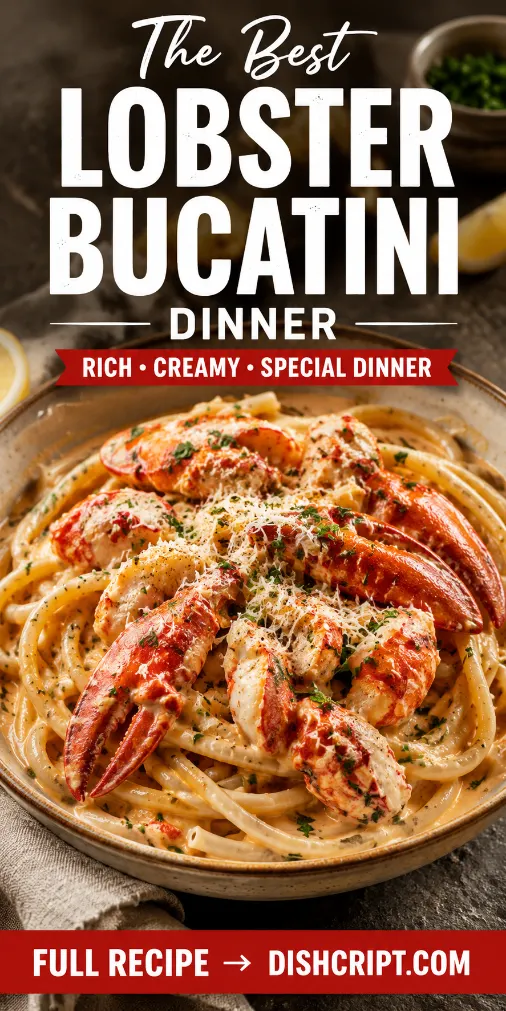
Creamy lobster pasta is the kind of meal that looks special the moment it reaches the table. The bright red lobster, silky sauce, long strands of pasta, and fresh green herbs make it feel like something you would order at a seafood restaurant. The good news is that the recipe is not difficult. It uses a short list of familiar ingredients and comes together in one pan after the pasta is cooked.
This is a lovely recipe to serve during the Maine Lobster Festival season, for a weekend dinner, or when you want to make an ordinary evening feel more memorable. Lobster already has a sweet, rich flavor, so the sauce does not need too many strong ingredients. A little butter, garlic, cream, Parmesan, lemon, and black pepper are enough to support the lobster without covering it up.
The most important part of this recipe is timing. Lobster meat can turn firm and dry when it cooks for too long. I add it near the end, just long enough to warm it through and let it pick up the flavor of the sauce. This keeps the pieces tender and juicy.
You can make this pasta with fresh cooked lobster, frozen lobster meat, or leftover lobster tails. Linguine, spaghetti, fettuccine, and bucatini all work well. I usually choose linguine because the flat strands hold the creamy sauce nicely, but use the pasta you already have.
Why You Will Love This Creamy Lobster Pasta
This pasta feels luxurious without needing a long cooking process. It is rich, but the lemon and herbs keep it from feeling too heavy. Every bite has creamy sauce, tender pasta, and sweet pieces of lobster.
It is also a flexible recipe. You can make the sauce thinner, add a little heat, use more garlic, or include tomatoes for color. The basic recipe gives you a smooth and balanced result, but there is plenty of room to adjust it to your taste.
Ingredients You Will Need
Pasta
Use 12 ounces of linguine, spaghetti, fettuccine, or bucatini. Long pasta works best because it mixes smoothly with the sauce and lobster pieces.
Cooked lobster meat
You will need about 1 pound of cooked lobster meat, cut into bite-size pieces. A mix of claw, knuckle, and tail meat gives the pasta great texture. Tail meat is firmer, while claw meat is softer and sweeter.
Butter
Butter adds richness and brings out the natural sweetness of the lobster. Use unsalted butter so you can control the final amount of salt.
Garlic
Fresh garlic adds warmth without taking over the dish. Two or three cloves are enough. Chop or mince them finely so they melt into the sauce.
Heavy cream
Heavy cream creates the silky sauce. Let it simmer gently rather than boiling it hard. A low simmer helps the sauce stay smooth.
Parmesan cheese
Freshly grated Parmesan thickens the sauce and adds a salty, nutty flavor. Pre-shredded cheese may not melt as smoothly, so grate it fresh when possible.
Lemon
Both lemon zest and lemon juice brighten the sauce. The zest gives a fresh aroma, while the juice cuts through the richness of the cream and butter.
Pasta water
Before draining the pasta, save at least one cup of the cooking water. The starch in the water helps the sauce cling to the noodles and allows you to adjust the thickness.
How to Prepare the Lobster
Remove the meat from cooked tails, claws, and knuckles, then check carefully for shell pieces. Cut it into medium chunks so it stays tender and looks generous in the finished pasta.
For frozen cooked lobster, thaw it in the refrigerator, drain it, and pat it dry. If the meat is raw, cook it first, cool it slightly, and remove it from the shell. Have the lobster ready before starting the sauce because the final steps move quickly.
How to Make Creamy Lobster Pasta
1. Cook the pasta
Bring a large pot of water to a boil. Add enough salt to season the water, then add the pasta. Cook it until it is just tender but still has a little bite.
Before draining, scoop out one cup of pasta water and set it aside. Drain the pasta, but do not rinse it. Rinsing removes the starch that helps the sauce stick.
2. Start the sauce
Place a large skillet over medium-low heat. Add the butter and olive oil. Once the butter has melted, add the minced garlic.
Cook the garlic for about 30 seconds, stirring often. It should smell fragrant but should not turn dark brown. Burnt garlic can make the whole sauce taste bitter.
Add the red pepper flakes at this stage if you are using them.
3. Add the cream
Pour the heavy cream into the skillet and stir. Let it come to a gentle simmer. Keep the heat low and cook for two to three minutes.
The cream will begin to thicken slightly. Do not let it boil too strongly because high heat can cause the sauce to separate.
4. Add the Parmesan
Lower the heat and add the Parmesan a little at a time. Stir after each addition so the cheese melts smoothly.
Add the lemon zest, black pepper, and a small pinch of salt. Remember that Parmesan is already salty, so taste the sauce before adding more.
5. Add the pasta
Place the drained pasta directly into the skillet. Toss it gently with tongs until every strand is coated.
Add a small splash of reserved pasta water. Keep tossing until the sauce becomes glossy and clings to the noodles. Add more water one tablespoon at a time if the sauce feels too thick.
6. Fold in the lobster
Add the lobster pieces and gently fold them through the pasta. Cook for only one to two minutes, just until the lobster is warm.
Finish with lemon juice and chopped parsley. Taste the pasta and adjust the salt, pepper, or lemon if needed.
Serve immediately while the sauce is smooth and creamy.
My Best Tips for a Smooth Sauce
Keep the heat gentle after adding the cream and cheese. A hard boil can make the sauce oily or grainy.
Grate the Parmesan finely. Small pieces melt faster and blend into the cream more evenly.
Add the cheese gradually instead of adding it all at once. Stir constantly while it melts.
Do not skip the pasta water. It is one of the most useful parts of the recipe. It loosens the sauce while helping it stay creamy.
Add the lobster last. Since the meat is already cooked, it only needs to be warmed. Longer cooking can make it rubbery.
Serve the pasta right away. Cream sauces naturally thicken as they cool, so the texture is best when the dish is fresh from the skillet. A final squeeze of lemon at the table makes each bite taste brighter and fresher.
How to Avoid Overcooking Lobster
Lobster is tender when it is handled gently. If you are using cooked meat, think of it as an ingredient that needs warming rather than cooking.
Keep the skillet over low heat when you add the lobster. Fold it in carefully and remove the pan from the heat as soon as the pieces are warm.
If you are cooking raw lobster tails for the recipe, stop cooking when the meat turns opaque and reaches a firm but tender texture. Letting the tails cook for several extra minutes can quickly dry them out.
Cut the lobster into medium pieces rather than very small bits. Small pieces heat faster and are more likely to become tough.
Recipe Variations
Tomato lobster pasta
Add one cup of halved cherry tomatoes after cooking the garlic. Let them soften for a few minutes before adding the cream. They bring color and a light sweet-tart flavor.
Spicy lobster pasta
Increase the red pepper flakes or add a small spoonful of Calabrian chili paste. Start with a little because the heat should not hide the lobster.
Lobster and shrimp pasta
Use half lobster and half shrimp. Cook raw shrimp in the skillet before making the sauce, then remove them and return them at the end with the lobster.
Lighter sauce
Use half heavy cream and half seafood stock. The sauce will be thinner and less rich, but it will still have good flavor.
What to Serve With Lobster Pasta
A crisp green salad is one of the best sides because it balances the creamy pasta. Use lettuce, cucumber, herbs, and a lemon dressing.
Roasted asparagus, green beans, or broccoli also work well. Keep the seasoning light so the vegetables do not compete with the lobster.
Warm bread is helpful for picking up the last of the sauce. Garlic bread is delicious, but plain crusty bread keeps the meal from becoming too rich.
Make-Ahead Notes
This dish is best prepared just before serving, but you can get several parts ready earlier.
Cook and cut the lobster meat, then store it in a covered container in the refrigerator. Grate the Parmesan, chop the parsley, mince the garlic, and zest the lemon.
I do not recommend making the complete dish hours ahead because the pasta will absorb the sauce and the lobster may become firm when reheated.
How to Store Leftovers
Place leftovers in an airtight container and refrigerate them for up to two days. Seafood should always be cooled and stored promptly.
To reheat, place the pasta in a skillet over low heat. Add a splash of cream, milk, or water and toss gently until warm. Avoid high heat and do not cook it longer than needed.
The microwave can be used, but heat the pasta in short intervals and stir between each one. This helps prevent the lobster from becoming tough.
Freezing is not recommended. Cream sauce can separate after thawing, and the texture of the lobster may change.
Common Questions
Can I use frozen lobster meat?
Yes. Thaw it fully in the refrigerator, drain it, and pat it dry before adding it to the pasta. Check the package to see whether the meat is raw or cooked.
Can I use lobster tails only?
Yes. Lobster tails work very well and give the dish large, attractive pieces of meat. Claw meat is softer and sweeter, so a mix is wonderful when available.
Which pasta shape is best?
Linguine and fettuccine hold creamy sauce well. Spaghetti and bucatini are also good choices. Short pasta can be used, but long noodles give the dish a more classic restaurant-style look.
Can I replace the heavy cream?
Half-and-half can be used, but the sauce will be thinner. Keep the heat low because lower-fat dairy is more likely to separate.
Why did my sauce become too thick?
Cream sauce thickens as it sits. Add a small amount of warm pasta water and toss until it loosens. Add the water slowly so the sauce does not become watery.
Why did my sauce become grainy?
The heat may have been too high, or the cheese may have been added too quickly. Lower heat and freshly grated Parmesan help create a smoother result.
Final Thoughts
Creamy lobster pasta is a beautiful way to enjoy Maine lobster without covering its natural flavor. The sauce is rich and smooth, but lemon, parsley, and black pepper keep the dish balanced.
The recipe works best when you prepare everything before turning on the stove. Once the pasta is cooked, the sauce moves quickly, and the lobster only needs a brief time in the pan.
Serve it while it is hot, with plenty of lobster pieces visible on top and a little extra Parmesan and parsley. It is comforting enough for a family dinner and special enough for a celebration, which makes it a wonderful first recipe for a Maine Lobster Festival collection.