Butternut Squash Casserole for Thanksgiving

Butternut squash casserole is a warm, slightly sweet, buttery Thanksgiving side dish made with roasted or cooked butternut squash, brown sugar, cinnamon, a little maple syrup, and a crisp pecan topping.
It sits somewhere between a traditional vegetable side and a holiday comfort dish. The squash stays creamy and naturally sweet underneath, while the pecan topping adds crunch and a caramel-like flavor.
For Thanksgiving, this casserole is especially useful if you want something similar to sweet potato casserole but slightly lighter and less sweet.
Butternut squash already has a soft, nutty flavor, so it does not need a large amount of sugar. A little brown sugar and maple syrup are enough to make it feel festive without turning it into dessert.
The casserole can also be prepared ahead of time. You can cook and mash the squash, assemble the filling, prepare the topping separately, refrigerate everything, and bake it on Thanksgiving day.
The key is removing enough moisture from the squash before making the filling. Watery squash can make the casserole loose, while properly roasted squash gives you a thick, creamy texture.
Why You Will Love This Butternut Squash Casserole
This casserole is:
- Creamy
- Slightly sweet
- Buttery
- Nutty
- Warmly spiced
- Make-ahead friendly
- Easy to customize
- Perfect for Thanksgiving
It also gives you a different fall vegetable option if you already have potatoes, green beans, and Brussels sprouts on the table.
What Does Butternut Squash Casserole Taste Like?
Butternut squash has a naturally sweet, slightly nutty flavor.
Butter makes it richer.
Brown sugar adds light caramel notes.
Maple syrup gives it a deeper fall sweetness.
Cinnamon and nutmeg make the casserole taste warm and seasonal.
The pecan topping adds:
- Crunch
- Butteriness
- Brown sugar flavor
- Nutty texture
The finished casserole should still taste primarily like butternut squash.
It should not be as sweet as a dessert.
Butternut Squash Casserole vs Sweet Potato Casserole
These dishes are similar but not identical.
Butternut squash casserole
It is usually:
- Lighter
- More delicate
- Slightly less sweet
- More vegetable-forward
- Soft and creamy
Sweet potato casserole
It is usually:
- Richer
- Denser
- Sweeter
- More traditional
- Often topped with pecans or marshmallows
If your Thanksgiving menu already includes several heavy sides, butternut squash casserole can give you the same cozy holiday feeling with a slightly lighter texture.
Best Butternut Squash to Use
Choose squash that feels:
- Heavy for its size
- Firm
- Free from soft spots
- Free from deep cuts
- Matte rather than shiny
A typical medium butternut squash weighs around 2 to 3 pounds.
For this casserole, you will need about 3 pounds of peeled squash, or roughly 4 pounds whole before peeling and trimming.
Fresh vs Pre-Cut Butternut Squash
Both work.
Whole butternut squash
Whole squash is usually less expensive.
It also stays fresh longer.
Pre-cut squash
Pre-cut cubes save time.
They are especially useful during Thanksgiving when you already have many dishes to prepare.
Check that the cubes look firm and dry rather than slimy or watery.
Can You Use Frozen Butternut Squash?
Yes.
Frozen squash can work well.
Cook it according to package directions.
Drain very thoroughly.
Frozen squash can release more water than fresh squash, so you may need to cook off extra moisture before mashing.
Should You Roast or Boil Butternut Squash?
Both methods work, but roasting gives better flavor.
Roasting
Roasting:
- Concentrates sweetness
- Removes moisture
- Creates deeper flavor
- Gives the casserole a thicker texture
Boiling
Boiling:
- Is faster
- Requires less oven space
- Makes very soft squash
The downside is that the squash can absorb water.
For Thanksgiving casserole, roasting is my preferred method when oven space allows.
How to Roast Butternut Squash
Preheat the oven to 425°F.
Peel the squash.
Remove the seeds.
Cut into 1-inch cubes.
Toss with a small amount of olive oil.
Spread in a single layer on a baking sheet.
Roast for about 25 to 35 minutes, turning once.
The squash should be very tender and lightly caramelized.
Let it cool slightly.
Mash.
How to Roast Butternut Squash Halves
You can also roast the squash without peeling it first.
Cut the squash in half lengthwise.
Scoop out the seeds.
Brush the cut sides lightly with oil.
Place cut-side down on a baking sheet.
Roast at 400°F for about 40 to 55 minutes, depending on size.
When very tender, scoop the flesh from the skin.
This method is easier if peeling raw butternut squash feels difficult.
How to Boil Butternut Squash
Peel and cube the squash.
Place it in a pot of lightly salted water.
Simmer for about 12 to 15 minutes, or until very tender.
Drain thoroughly.
Let the squash sit in the colander for several minutes.
Then return it briefly to the warm pot so excess moisture can evaporate.
Mash.
Ingredients for Butternut Squash Casserole
Butternut squash
This is the main ingredient.
Butter
Butter gives the filling richness.
Brown sugar
Brown sugar adds a mild caramel flavor.
Maple syrup
A small amount of maple syrup works beautifully with squash.
Eggs
Eggs help the filling set.
Milk or half-and-half
This keeps the casserole creamy.
Vanilla
Vanilla gives the filling a warm, slightly sweet flavor.
Cinnamon
Cinnamon complements the natural sweetness of squash.
Nutmeg
Use just a small amount.
Salt
Salt keeps the casserole balanced.
Pecans
Pecans add crunch and nutty flavor to the topping.
Full Ingredient List
For the squash filling
- 3 pounds peeled and cubed butternut squash
- 4 tablespoons unsalted butter, melted
- ¼ cup packed light brown sugar
- 2 tablespoons pure maple syrup
- 2 large eggs
- ¼ cup whole milk or half-and-half
- 1 teaspoon vanilla extract
- 1 teaspoon ground cinnamon
- ¼ teaspoon ground nutmeg
- ½ teaspoon kosher salt
For the pecan topping
- 1 cup chopped pecans
- ½ cup packed light brown sugar
- ⅓ cup all-purpose flour
- 4 tablespoons unsalted butter, melted
- ½ teaspoon cinnamon
- Pinch of salt
Equipment You Will Need
You will need:
- Baking sheet
- Large pot, if boiling
- Large mixing bowl
- Potato masher or food mill
- Measuring cups and spoons
- 9×13-inch or 2½-quart casserole dish
- Spatula
How to Make the Butternut Squash Filling
Step 1: Cook the squash
Roast or boil until completely tender.
Step 2: Remove excess moisture
This is especially important if the squash was boiled or frozen.
Drain thoroughly.
Step 3: Mash
Mash until smooth.
A few small lumps are fine.
Step 4: Add butter
Mix in melted butter.
Step 5: Add brown sugar and maple syrup
Stir until combined.
Step 6: Add seasonings
Add:
- Cinnamon
- Nutmeg
- Salt
- Vanilla
Step 7: Add milk
Stir in the milk.
Step 8: Cool slightly
If the squash is extremely hot, let it cool for several minutes.
Step 9: Add eggs
Mix in the eggs.
Do not add them to extremely hot squash.
How to Make the Pecan Topping
In a medium bowl, combine:
- Chopped pecans
- Brown sugar
- Flour
- Cinnamon
- Salt
Pour in the melted butter.
Mix until crumbly.
The topping should look like moist crumbs.
Do not turn it into a paste.
How to Make Butternut Squash Casserole
Step 1: Preheat the oven
Heat the oven to 350°F.
Butter the casserole dish.
Step 2: Prepare the filling
Cook and mash the butternut squash.
Mix with butter, brown sugar, maple syrup, eggs, milk, vanilla, cinnamon, nutmeg, and salt.
Step 3: Transfer to the baking dish
Spread the filling evenly.
Smooth the surface.
Step 4: Add the pecan topping
Sprinkle the topping evenly over the squash.
Step 5: Bake
Bake for about 30 to 35 minutes.
The filling should be hot and lightly set.
The topping should be golden.
Step 6: Rest
Let the casserole rest for about 10 minutes.
Serve warm.
How to Know When Butternut Squash Casserole Is Done
Look for:
- Golden pecans
- Hot center
- Slightly set filling
- Bubbling near the edges
The casserole should not look watery.
It will continue to firm slightly as it rests.
Why Is My Butternut Squash Casserole Watery?
The most common reason is too much moisture in the squash.
Possible causes include:
- Boiling too long
- Not draining properly
- Frozen squash releasing water
- Too much milk
- Too much maple syrup
Roasting helps reduce this problem.
If the cooked squash seems watery, cook it in a saucepan for several minutes before mixing the filling.
Why Is My Casserole Too Thick?
Add a little milk.
Start with one tablespoon.
Mix gently.
The filling should be creamy but not runny.
Why Use Eggs?
Eggs help the filling hold together.
Without eggs, the casserole will be softer and more like mashed squash.
That is still perfectly edible.
If you prefer a looser texture, you can leave them out.
Can You Make Butternut Squash Casserole Without Eggs?
Yes.
Leave out the eggs.
Reduce the milk slightly.
The filling will be softer.
For an egg-free casserole, this works very well.
How Sweet Should Butternut Squash Casserole Be?
For a Thanksgiving side, I prefer moderate sweetness.
The squash already contains natural sugar.
For 3 pounds of squash, ¼ cup brown sugar plus 2 tablespoons maple syrup is usually enough.
If you want a less sweet casserole, reduce the brown sugar to 2 tablespoons.
How to Make It Less Sweet
Reduce:
- Brown sugar
- Maple syrup
You can also increase:
- Salt
- Black pepper
- Thyme
- Sage
This shifts the casserole toward a more savory flavor.
Savory Butternut Squash Casserole
If you do not want a sweet casserole, skip the brown sugar and vanilla.
Use:
- Butter
- Garlic
- Thyme
- Sage
- Black pepper
- Parmesan
Top with breadcrumbs and Parmesan instead of pecans.
This version works beautifully with turkey and gravy.
Maple Butternut Squash Casserole
Increase the maple syrup to ¼ cup.
Reduce brown sugar to 2 tablespoons.
This gives the casserole a stronger maple flavor without becoming overly sweet.
Brown Sugar Butternut Squash Casserole
Skip the maple syrup.
Increase brown sugar to about ⅓ cup.
This gives the filling a deeper caramel flavor.
Butternut Squash Casserole with Marshmallows
You can treat butternut squash similarly to sweet potatoes.
Prepare the filling.
Bake for about 25 minutes.
Add mini marshmallows.
Bake another 5 to 10 minutes.
Broil briefly if needed.
This version is sweeter and more dessert-like.
Butternut Squash Casserole with Marshmallows and Pecans
Use both toppings.
Sprinkle pecans over the squash first.
Bake until hot.
Add marshmallows during the final few minutes.
This gives you both crunchy and gooey textures.
Butternut Squash Casserole with Apples
Add about 2 cups peeled, diced apples.
Cook them briefly in butter before folding into the squash.
Good apples include:
- Honeycrisp
- Granny Smith
- Pink Lady
Apples add sweet-tart flavor and more texture.
Butternut Squash Casserole with Cranberries
Add ½ to ¾ cup dried cranberries to the filling.
The cranberries give the casserole tartness and color.
They work especially well with pecans and maple syrup.
Butternut Squash Casserole with Orange
Add:
- 1 teaspoon orange zest
- 1 tablespoon orange juice
Orange brightens the sweet squash flavor.
This is especially good beside cranberry sauce and roast turkey.
Bourbon Butternut Squash Casserole
Add 1 to 2 tablespoons bourbon to the filling.
Bourbon works particularly well with:
- Maple
- Brown sugar
- Pecans
- Vanilla
Keep the amount small so the casserole does not become bitter.
Butternut Squash Casserole with Sage
For a more savory holiday flavor, add:
- 1 tablespoon finely chopped fresh sage
Reduce the sugar slightly.
Sage and butternut squash are a classic pairing.
Butternut Squash Casserole with Thyme
Add 1 tablespoon fresh thyme leaves.
Use only 1 to 2 tablespoons brown sugar.
This version feels more like a savory side.
Parmesan Butternut Squash Casserole
Skip the sweet pecan topping.
Mix Parmesan into the squash.
Top with:
- Panko
- Parmesan
- Melted butter
Bake until golden.
Gruyère Butternut Squash Casserole
For a savory version, add 1½ cups shredded Gruyère.
Use garlic, thyme, black pepper, and a little nutmeg.
This creates a rich, cheesy squash casserole.
Butternut Squash Casserole with Bacon
Cook bacon until crisp.
Crumble it over a savory squash casserole.
Bacon works particularly well with:
- Sage
- Maple
- Parmesan
- Gruyère
For the sweet pecan version, use bacon sparingly.
Butternut Squash Casserole with Goat Cheese
Crumble goat cheese over a savory filling.
The tangy cheese balances the sweetness of the squash.
Finish with pecans or walnuts.
Butternut Squash Casserole with Walnuts
Replace pecans with chopped walnuts.
Walnuts have a slightly stronger, earthier flavor.
They work well with maple and brown sugar.
Can You Use Pumpkin Instead?
Yes, but the texture is different.
Pumpkin is usually softer and contains more moisture.
If using pumpkin puree, reduce the milk.
Make sure you use plain pumpkin puree, not pumpkin pie filling.
Can You Use Acorn Squash?
Yes.
Acorn squash is slightly less sweet and more fibrous.
Roast it until very tender.
Scoop out the flesh.
Mash and continue with the recipe.
Can You Use Delicata Squash?
You can, but delicata squash is better roasted in slices because its skin is edible.
It is usually not the best choice for mashed casserole.
Butternut squash produces a smoother texture.
Can You Use Canned Butternut Squash?
Yes, if available.
Check that it contains only squash.
Drain any excess liquid.
You may need less milk.
How to Make the Casserole Extra Creamy
Add:
- 2 tablespoons heavy cream
- 2 tablespoons sour cream
- 2 ounces cream cheese
Do not add all three unless you want a very rich casserole.
A small amount is enough.
Can You Add Cream Cheese?
Yes.
Add about 2 to 4 ounces softened cream cheese.
Mix it into the warm squash.
This gives the casserole a richer, smoother texture.
Can You Add Sour Cream?
Yes.
Add about ¼ cup.
Sour cream gives the filling a slight tang and helps balance sweetness.
Can You Add Heavy Cream?
Yes.
Replace the milk with heavy cream or half-and-half.
Use a small amount because the filling should remain thick.
Can You Make It Dairy-Free?
Yes.
Use:
- Plant-based butter
- Unsweetened oat milk or another neutral plant milk
The pecan topping is easy to make dairy-free with plant-based butter.
Can You Make It Vegan?
Yes.
Use plant-based butter.
Use non-dairy milk.
Leave out the eggs.
The casserole will be a little softer but still delicious.
Is Butternut Squash Casserole Gluten-Free?
The filling is naturally gluten-free.
The pecan topping contains flour.
For a gluten-free version, use:
- Gluten-free all-purpose flour
- Almond flour
Check packaged ingredients if cooking for someone with strict gluten avoidance.
Gluten-Free Pecan Topping
Combine:
- 1 cup pecans
- ½ cup brown sugar
- ⅓ cup almond flour
- 4 tablespoons melted butter
- Cinnamon
- Salt
This creates a naturally nutty topping.
Can You Make the Casserole Ahead?
Yes.
This is an excellent make-ahead Thanksgiving recipe.
Prepare the squash filling.
Spread it in the casserole dish.
Cover and refrigerate.
Prepare the pecan topping separately.
Add the topping just before baking.
Why Keep the Topping Separate?
The filling contains moisture.
If the pecan topping sits on it overnight, the flour and sugar can absorb moisture and lose some crunch.
Keeping the topping separate gives you a crisper result.
How Far Ahead Can You Make It?
The filling can be prepared about 1 to 2 days ahead.
For best texture, assemble and bake within a day.
The pecan topping can be mixed several days ahead and kept covered in the refrigerator.
How to Bake It from the Refrigerator
Take the casserole from the refrigerator while the oven preheats.
Add the pecan topping.
Bake at 350°F for around 35 to 45 minutes.
A cold casserole needs longer than one assembled with warm filling.
If the topping becomes dark before the center is hot, cover loosely with foil.
Can You Bake It the Day Before?
Yes.
Bake completely.
Cool.
Cover.
Refrigerate.
Reheat the next day.
The topping may lose some crispness, so add a small amount of fresh pecans before reheating if desired.
How to Reheat Butternut Squash Casserole
Oven
Cover loosely with foil.
Reheat at 325°F to 350°F until hot.
Remove the foil during the final few minutes.
Microwave
Individual portions reheat well.
The pecan topping becomes softer in the microwave.
How to Keep Butternut Squash Casserole Warm
Keep it in a low oven around 200°F for a short period.
Do not keep it covered tightly for too long.
Steam will soften the pecan topping.
How Much Butternut Squash Casserole Per Person?
For Thanksgiving with many sides, plan for about ½ cup per person.
A standard casserole serves roughly 8 to 10 people.
If this is one of only a few side dishes, make a larger batch.
Can You Double the Recipe?
Yes.
Use two baking dishes rather than one extremely deep dish.
This gives you more topping and more even heating.
Can You Make a Half Batch?
Yes.
Use about:
- 1½ pounds squash
- 2 tablespoons butter
- 2 tablespoons brown sugar
- 1 tablespoon maple syrup
- 1 egg
- 2 tablespoons milk
- Half the topping
Bake in an 8×8-inch dish.
Butternut Squash Casserole for a Small Thanksgiving
For four people, a half batch is usually plenty.
It works especially well if you are already serving mashed potatoes and another vegetable side.
Butternut Squash Casserole vs Corn Casserole
These are very different.
Butternut squash casserole
It is:
- Creamy
- Slightly sweet
- Nutty
- Vegetable-forward
Corn casserole
It is:
- Corny
- More bread-like
- Richer
- Often softer and heavier
Both can fit Thanksgiving, but you usually do not need too many sweet, soft casseroles on the same plate.
Butternut Squash Casserole vs Sweet Potato Casserole
If you want something more traditional and sweeter, sweet potato casserole may be a better fit.
If you want something lighter and more delicate, butternut squash casserole works very well.
Butternut Squash Casserole vs Roasted Butternut Squash
Roasted squash gives you:
- Firmer pieces
- More caramelized edges
- Less richness
- More savory flavor
Casserole gives you:
- Creamier texture
- Sweeter flavor
- More holiday-style presentation
Choose based on the rest of your menu.
What to Serve with Butternut Squash Casserole
It pairs well with:
- Herb butter roast turkey
- Roasted turkey breast
- Cranberry orange glazed turkey
- Cranberry maple roast chicken
- Roast chicken
- Glazed ham
It also works beside:
- Classic stuffing
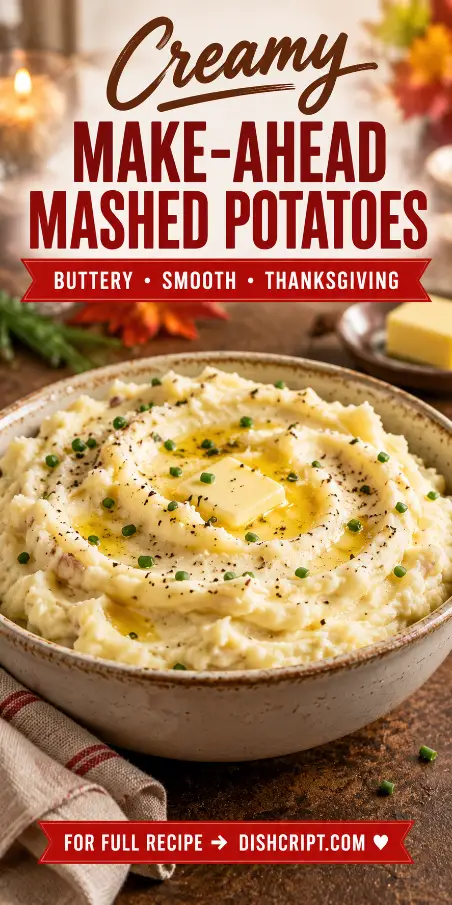
- Garlic mashed potatoes
- Green bean casserole
- Broccoli cheese casserole
- Parmesan Brussels sprouts
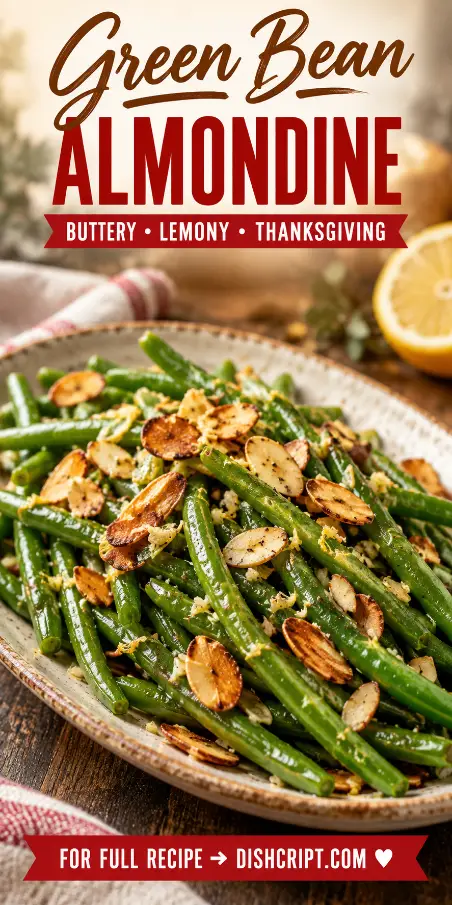
- Green bean almondine
- Roasted root vegetables
- Thanksgiving vegetable platter
- Creamed corn
- Garlic butter dinner rolls
- Cranberry sauce
- Gravy
Because the casserole is slightly sweet, savory green vegetables are particularly good with it.
Thanksgiving Menu Planning
A balanced Thanksgiving menu might include:
- Roast turkey
- Butternut squash casserole
- Garlic mashed potatoes
- Stuffing
- Green bean almondine
- Roasted Brussels sprouts
- Cranberry sauce
- Dinner rolls
- Pumpkin pie
This gives you creamy, crunchy, savory, sweet, and fresh elements without making every side heavy.
Can You Bake It with the Turkey?
Usually yes, depending on oven temperature.
The casserole bakes best at 350°F.
If your turkey is cooking at 325°F, the casserole can still bake, but it will take longer.
A convenient option is baking the casserole while the turkey rests.
Thanksgiving Oven Timing
A simple schedule is:
- Prepare the casserole filling the day before.
- Prepare the topping separately.
- Roast the turkey.
- Remove the turkey and let it rest.
- Set the oven to 350°F.
- Add the topping to the casserole.
- Bake until hot and golden.
- Serve.
How to Make Butternut Squash Casserole Look Beautiful
Use a white or cream ceramic baking dish.
Smooth the squash filling evenly.
Cover with an even layer of pecan topping.
Bake until deeply golden.
Finish with a few:
- Chopped pecans
- Fresh thyme leaves
- Orange zest
For the sweet version, keep garnish minimal.
The golden topping should be the main visual feature.
Why Did My Pecan Topping Burn?
The oven may have been too hot.
The casserole may have been too close to the top heating element.
Or the pecans were chopped too finely.
If the topping is browning too quickly, cover loosely with foil.
Why Is My Pecan Topping Soft?
Possible causes include:
- It sat on the filling overnight
- The casserole was tightly covered after baking
- Too much butter was used
- The filling was watery
Keep topping separate until baking.
Let steam escape after baking.
Why Is My Filling Grainy?
Butternut squash usually becomes smooth easily.
If it seems grainy, the squash may not have been fully cooked.
Cook until it can be easily crushed with a fork.
You can also use a potato ricer or food mill.
Can You Blend Butternut Squash?
Yes.
Unlike potatoes, butternut squash does not become gluey from blending in the same way.
You can use an immersion blender or food processor for a very smooth filling.
Just be careful not to make it overly loose.
Common Mistakes to Avoid
Using watery squash
Remove excess moisture.
Adding too much milk
The filling should remain thick.
Adding too much sugar
Let the natural squash flavor remain noticeable.
Adding eggs to very hot squash
Cool it slightly first.
Putting topping on too early
It becomes soft.
Overbaking
The filling can become dry.
Burning the pecans
Watch the topping carefully.
Using too much nutmeg
A little goes a long way.
Skipping salt
Salt is important even in a sweet casserole.
Frequently Asked Questions
What is the best way to cook butternut squash for casserole?
Roasting gives the best flavor and reduces moisture.
Can I boil the squash?
Yes. Drain very well.
Can I use frozen butternut squash?
Yes.
Can I make the casserole the night before?
Yes. Keep the pecan topping separate.
Can I use maple syrup?
Yes.
Can I leave out the eggs?
Yes.
Can I add marshmallows?
Yes.
Can I add pecans and marshmallows?
Yes.
Can I use apples?
Yes.
Can I add cranberries?
Yes.
Can I make it savory?
Yes. Skip the sugar and use garlic, herbs, Parmesan, or Gruyère.
Is it gluten-free?
The filling is, but the standard topping contains flour.
Can I make it vegan?
Yes.
Can I freeze it?
Yes.
How to Store Leftover Butternut Squash Casserole
Let the casserole cool slightly.
Cover the baking dish or transfer leftovers to an airtight container.
Refrigerate within about 2 hours.
Use within 3 to 4 days.
Can You Freeze Butternut Squash Casserole?
Yes.
For best results, freeze the filling without the pecan topping.
Cool completely.
Cover tightly.
Freeze for about 1 to 2 months for best quality.
Thaw overnight in the refrigerator.
Add a fresh topping.
Bake until hot.
Can You Freeze Leftovers with the Topping?
Yes.
The topping may become softer after thawing.
You can add fresh chopped pecans before reheating.
Leftover Butternut Squash Casserole Ideas
Use leftovers in:
- Breakfast bowls
- Oatmeal
- Pancakes
- Waffles
- Muffins
- Soup
- Pasta sauce
- Grain bowls
- Thanksgiving leftover plates
If your casserole is savory rather than sweet, it also works well as a filling for ravioli or stuffed pasta.
Butternut Squash Soup from Leftovers
Blend leftover casserole with:
- Vegetable or chicken broth
- A little milk or cream
- Black pepper
Heat gently.
If the casserole contains a very sweet pecan topping, remove most of the topping first.
Thanksgiving Cooking Timeline
Two days before
Buy and prepare the squash.
Toast pecans if desired.
Measure dry ingredients.
One day before
Cook and mash the squash.
Prepare the filling.
Transfer to the casserole dish.
Cover and refrigerate.
Mix the pecan topping separately.
Thanksgiving day
Take the casserole from the refrigerator.
Add the topping.
Bake at 350°F until hot and golden.
Rest for about 10 minutes.
Serve warm.
Final Thoughts
Butternut squash casserole is a warm, colorful Thanksgiving side that brings natural sweetness and soft fall flavor to the holiday table.
The best version starts with squash that has been cooked until completely tender and drained of excess moisture.
Roasting is especially useful because it concentrates the squash flavor and keeps the filling from becoming watery.
Butter, brown sugar, maple syrup, cinnamon, vanilla, and a little nutmeg turn the squash into a creamy holiday filling, while a buttery pecan topping adds the crunch the dish needs.
The casserole is also easy to prepare ahead.
Make the filling one day before Thanksgiving, keep the pecan topping separate, then assemble and bake while the turkey rests.
Whether you keep it slightly sweet, add marshmallows, mix in cranberries and apples, or turn it into a savory casserole with sage and Parmesan, butternut squash casserole is a flexible and crowd-friendly side that fits naturally beside turkey, stuffing, potatoes, green vegetables, cranberry sauce, and gravy.