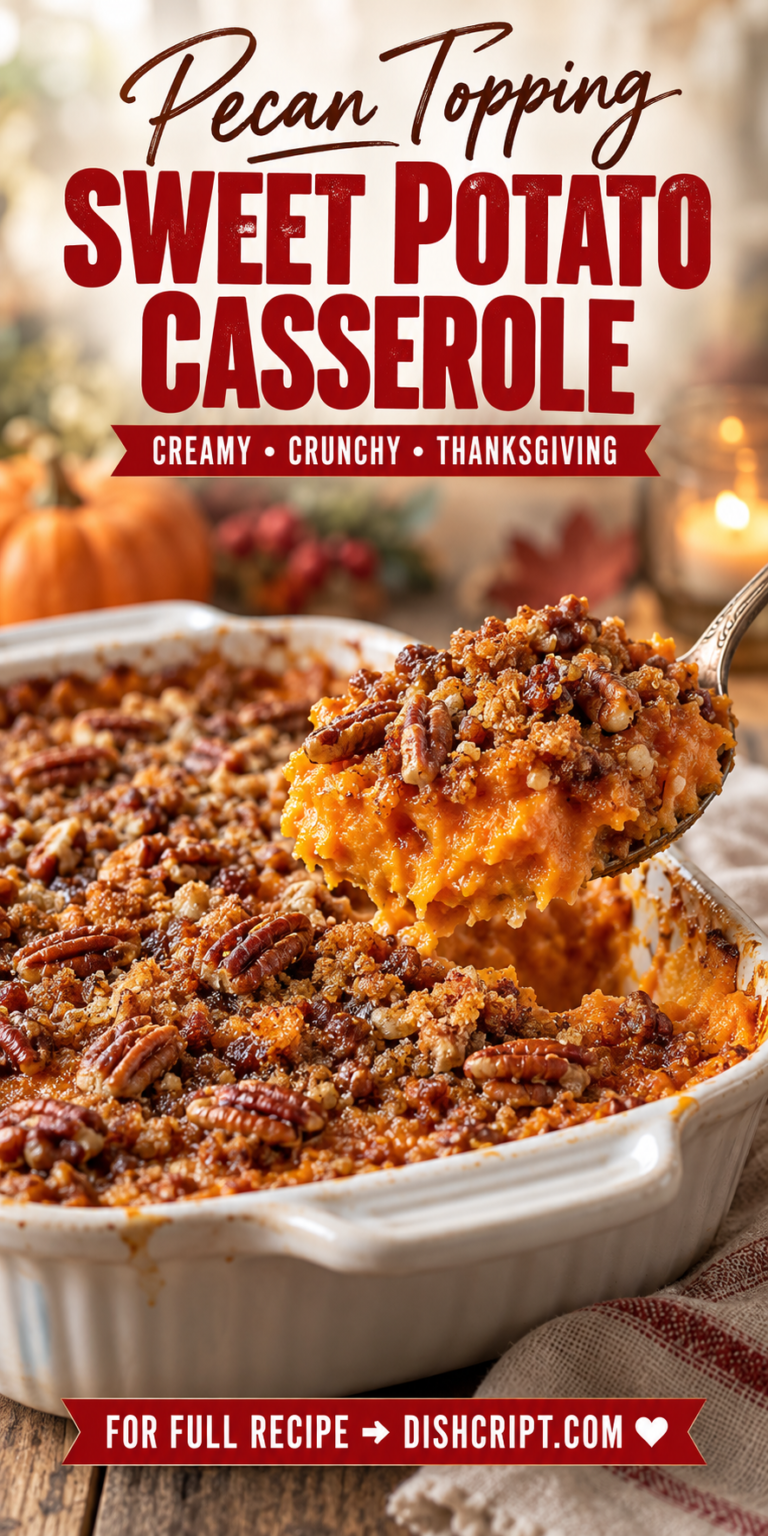
Loaded Mashed Potato Casserole for Thanksgiving

Loaded mashed potato casserole is a rich, creamy Thanksgiving side made with fluffy mashed potatoes, butter, sour cream, cream cheese, cheddar, bacon, and green onions, then baked until hot and golden.
It has everything people love about a loaded baked potato, but in an easy casserole that can be prepared ahead of time.
That makes it especially useful for Thanksgiving.
Instead of mashing potatoes at the last minute while you are also trying to carve the turkey, warm gravy, finish vegetables, and get everything onto the table, you can prepare this casserole a day ahead and simply bake it before dinner.
The best loaded mashed potato casserole should stay creamy rather than dry or stiff. The potatoes need enough butter and dairy to remain soft during baking, while the cheddar and bacon add stronger savory flavor.
For the topping, extra cheddar, crisp bacon, and green onions are enough. You can also add Parmesan, breadcrumbs, or a little extra butter if you want a more golden crust.
Why You Will Love This Loaded Mashed Potato Casserole
This Thanksgiving casserole is:
- Creamy
- Cheesy
- Buttery
- Savory
- Make-ahead friendly
- Easy to reheat
- Great for a crowd
- Perfect with turkey and gravy
It also combines several familiar flavors in one dish.
You get mashed potatoes, cheddar cheese, sour cream, bacon, and green onions without having to prepare separate toppings at the table.
What Does Loaded Mashed Potato Casserole Taste Like?
The potatoes are buttery and creamy.
Sour cream gives them a light tang.
Cream cheese adds richness and helps keep the casserole soft.
Sharp cheddar adds salty, cheesy flavor.
Bacon gives the casserole smoky, savory bites.
Green onions add freshness and keep the dish from tasting too heavy.
The casserole should taste rich, but the potato flavor should still come through.
What Makes Mashed Potatoes “Loaded”?
Loaded potatoes usually include toppings you would find on a loaded baked potato.
That normally means:
- Cheddar cheese
- Bacon
- Sour cream
- Green onions or chives
- Butter
In this recipe, those flavors are mixed directly into the mashed potatoes and also added on top.
Best Potatoes for Loaded Mashed Potato Casserole
The best options are:
- Yukon Gold potatoes
- Russet potatoes
- A mixture of both
Yukon Gold potatoes
Yukon Golds are naturally buttery and creamy.
They make smooth mashed potatoes with good flavor.
Russet potatoes
Russets contain more starch.
They make very light, fluffy mashed potatoes.
Best combination
Using half Yukon Gold and half Russet gives you both creaminess and fluffiness.
For Thanksgiving casserole, that is my favorite combination.
Should You Peel the Potatoes?
For a smooth holiday casserole, peel them.
You can leave some Yukon Gold skin on if you like a more rustic texture, but fully peeled potatoes create a cleaner and creamier presentation.
How to Cut Potatoes for Boiling
Cut the potatoes into pieces around 1½ to 2 inches.
Try to keep the pieces similar in size.
If some pieces are very small and others are large, they will cook unevenly.
Start Potatoes in Cold Water
Place the cut potatoes in the pot first.
Cover them with cold water.
Then bring the water to a boil.
Starting in cold water allows the inside and outside of the potato pieces to cook more evenly.
If you drop large potato chunks directly into boiling water, the outside can soften before the center is ready.
Ingredients for Loaded Mashed Potato Casserole
Potatoes
Use about 5 pounds for a standard 9×13-inch casserole.
Butter
Butter gives mashed potatoes richness and keeps them soft.
Cream cheese
Cream cheese adds extra creaminess and helps the potatoes hold up well when reheated.
Sour cream
Sour cream adds moisture and slight tang.
Milk or half-and-half
Warm milk loosens the mashed potatoes.
Half-and-half makes them richer.
Cheddar cheese
Sharp cheddar works best because it has enough flavor to stand out.
Bacon
Cook the bacon until crisp before adding.
Green onions
Green onions add freshness and color.
Garlic
Garlic is optional but works very well in loaded potatoes.
Salt
Potatoes need generous seasoning.
Black pepper
Black pepper balances all the dairy and cheese.
Full Ingredient List
For the mashed potatoes
- 5 pounds potatoes, preferably half Yukon Gold and half Russet
- 8 tablespoons unsalted butter, softened
- 8 ounces cream cheese, softened
- 1 cup sour cream
- ¾ to 1 cup warm whole milk or half-and-half
- 2 cups shredded sharp cheddar cheese
- 8 slices bacon, cooked crisp and crumbled
- 4 green onions, thinly sliced
- 2 teaspoons kosher salt, plus more for the cooking water
- ½ teaspoon freshly ground black pepper
- ½ teaspoon garlic powder, optional
For the topping
- 1 cup shredded sharp cheddar
- 4 slices cooked bacon, crumbled
- 2 green onions or 2 tablespoons chopped chives
- 2 tablespoons melted butter, optional
Equipment You Will Need
You will need:
- Large pot
- Colander
- Potato masher or potato ricer
- Large mixing bowl
- Wooden spoon or spatula
- 9×13-inch baking dish
- Measuring cups and spoons
A potato ricer gives the smoothest texture, but a regular masher works perfectly well.
How to Cook Potatoes for Mashed Potato Casserole
Step 1: Peel the potatoes
Peel and cut into evenly sized chunks.
Step 2: Add to cold water
Place in a large pot.
Cover with cold water by about an inch.
Step 3: Salt the water
Add a generous amount of salt.
This seasons the potatoes from the inside.
Step 4: Bring to a boil
Bring the pot to a boil.
Reduce to a steady simmer.
Step 5: Cook until tender
Cook for about 15 to 20 minutes, depending on the size of the pieces.
The potatoes should be very easy to pierce with a fork.
Step 6: Drain thoroughly
Drain in a colander.
Step 7: Let the potatoes steam dry
Return them to the warm pot for 1 to 2 minutes over very low heat, stirring gently.
This helps remove excess moisture.
Do not let them brown.
Why Dry the Potatoes After Boiling?
Water is one of the main reasons mashed potatoes become thin or bland.
If excess cooking water remains in the potatoes, it dilutes:
- Butter
- Cream
- Cheese
- Seasoning
Letting the potatoes steam dry gives you richer mashed potatoes.
How to Make Loaded Mashed Potato Casserole
Step 1: Preheat the oven
Heat the oven to 350°F.
Butter a 9×13-inch baking dish.
Step 2: Cook the potatoes
Boil until completely tender.
Drain well.
Step 3: Mash
Mash the potatoes while they are still hot.
Do not use a blender or food processor.
Step 4: Add butter
Mix in softened butter.
Step 5: Add cream cheese
Add the softened cream cheese.
Mix gently.
Step 6: Add sour cream
Stir in sour cream.
Step 7: Add warm milk
Add about ¾ cup warm milk.
Add more only if needed.
Step 8: Season
Add:
- Salt
- Black pepper
- Optional garlic powder
Taste and adjust.
Step 9: Add cheddar
Fold in 2 cups shredded cheddar.
Step 10: Add bacon and green onions
Fold in most of the bacon and green onions.
Reserve some for topping.
Step 11: Transfer to the casserole dish
Spread the potatoes evenly.
Do not press them down too firmly.
Step 12: Add topping
Sprinkle with:
- Remaining cheddar
- Bacon
Step 13: Bake
Bake for about 25 to 30 minutes.
The center should be hot.
The cheese should be melted.
Step 14: Broil if desired
Broil for 1 to 2 minutes if you want a more golden top.
Step 15: Finish
Sprinkle fresh green onions or chives over the casserole.
Serve warm.
How to Keep Mashed Potato Casserole Creamy
Use enough dairy.
The potato mixture should actually look slightly softer than normal mashed potatoes before baking.
Why?
Because baking causes moisture to evaporate.
If the potatoes are already stiff before they enter the oven, they can become dry afterward.
Cream cheese and sour cream also help keep the casserole creamy when reheated.
Why You Should Warm the Milk
Cold milk cools the potatoes quickly and can make the mixture harder to combine.
Warm milk blends into the hot potatoes more easily.
Heat it gently.
It does not need to boil.
Why You Should Not Overmix Mashed Potatoes
Potatoes contain starch.
When they are worked too aggressively, more starch is released.
That can make mashed potatoes:
- Sticky
- Gluey
- Gummy
Use a potato masher or ricer.
Mix only until everything is combined.
Never puree mashed potatoes in a blender.
Can You Use a Hand Mixer?
Yes, but use low speed and stop quickly.
A hand mixer can make very smooth mashed potatoes, but it is easy to overmix.
For the safest texture, a masher or ricer is better.
How Much Milk Should You Add?
Start with about ¾ cup.
Add more as needed.
Different potatoes absorb different amounts of liquid.
The final mixture should be creamy and easy to spread.
It should not be runny.
Best Cheese for Loaded Mashed Potatoes
Sharp cheddar is classic.
Other good options include:
- White cheddar
- Monterey Jack
- Colby Jack
- Gruyère
- Smoked Gouda
You can also combine two cheeses.
Cheddar and Gruyère Loaded Mashed Potatoes
Use:
- 1½ cups sharp cheddar
- ½ cup Gruyère in the filling
Then top with more cheddar.
Gruyère gives the casserole a deeper, nutty flavor.
White Cheddar Loaded Mashed Potato Casserole
Replace yellow cheddar with white cheddar.
The casserole will have a paler appearance but the same strong cheese flavor.
This can look especially elegant in a white ceramic baking dish.
Smoked Gouda Mashed Potato Casserole
Replace about ½ cup cheddar with smoked Gouda.
The smoky flavor works very well with bacon.
Do not use too much because smoked Gouda can dominate the potatoes.
Bacon for Loaded Mashed Potato Casserole
Regular-cut bacon works best.
Cook until crisp.
Drain on paper towels.
Crumble after cooling.
Avoid putting uncooked bacon directly into the casserole.
It will release grease while the potatoes bake.
Can You Use Turkey Bacon?
Yes.
Cook it until crisp before adding.
The flavor will be lighter and less smoky than traditional bacon.
Can You Make the Casserole Without Bacon?
Absolutely.
Leave it out.
Add extra:
- Chives
- Green onions
- Cheddar
- Parmesan
- Roasted garlic
The casserole will still be rich and flavorful.
Loaded Mashed Potato Casserole with Chives
Replace green onions with chopped fresh chives.
Chives have a milder onion flavor.
They are especially good for garnish because they stay bright green.
Loaded Mashed Potato Casserole with Roasted Garlic
Roast one whole head of garlic.
Squeeze the soft cloves from the skin.
Mash 4 to 6 cloves into the potatoes.
Roasted garlic has a sweet, mellow flavor that works beautifully with cheddar and bacon.
Garlic Loaded Mashed Potato Casserole
For stronger garlic flavor, add:
- 3 to 4 roasted garlic cloves
or
- ½ to 1 teaspoon garlic powder
Avoid adding a large amount of raw garlic directly to the potatoes.
Parmesan Loaded Mashed Potato Casserole
Add ½ cup finely grated Parmesan to the mashed potatoes.
Sprinkle another ¼ cup over the top.
Parmesan adds a nutty, salty flavor.
Crispy Breadcrumb Loaded Mashed Potato Casserole
Mix:
- 1 cup panko
- 2 tablespoons melted butter
- ¼ cup Parmesan
Sprinkle over the casserole with cheddar.
This gives the top extra crunch.
Loaded Mashed Potato Casserole with Cream Cheese
The main recipe already contains cream cheese.
If you want it even richer, increase the cream cheese to 12 ounces.
You may need a little extra milk to keep the potatoes soft.
Loaded Mashed Potato Casserole with Sour Cream
Sour cream is one of the most important ingredients in the recipe.
It gives the casserole the classic loaded baked potato flavor.
You can increase it to about 1¼ cups if you love a stronger tang.
Can You Use Greek Yogurt Instead of Sour Cream?
Yes.
Use plain full-fat Greek yogurt.
It gives a tangier flavor and slightly lighter texture.
You can replace some or all of the sour cream.
Ranch Loaded Mashed Potato Casserole
Add 1 to 2 tablespoons ranch seasoning.
Use less added salt because ranch seasoning can be salty.
This version works particularly well with bacon and cheddar.
Jalapeño Loaded Mashed Potato Casserole
Add:
- 1 finely chopped jalapeño
- Pepper Jack cheese
This adds mild heat.
For Thanksgiving, keep it subtle unless your guests enjoy spicy foods.
Loaded Mashed Potato Casserole with Caramelized Onions
Cook thinly sliced onions slowly in butter until deep golden.
Fold them into the mashed potatoes.
Caramelized onions add a rich sweet-savory flavor.
Loaded Mashed Potato Casserole with Broccoli
Fold in about 2 cups lightly steamed broccoli florets.
Dry them well first.
This gives the casserole a loaded baked potato with broccoli flavor.
Loaded Mashed Potato Casserole with Ham
Add 1½ to 2 cups diced cooked ham.
This makes the casserole more substantial.
It is especially useful for Christmas or leftover ham.
For Thanksgiving, I would usually keep the potatoes as a side dish without extra meat beyond bacon.
Loaded Mashed Potato Casserole with Turkey
Leftover Thanksgiving turkey can be added to leftover casserole.
Mix chopped turkey into the potatoes.
Top with extra cheese.
Bake until hot.
This makes an easy next-day meal.
Can You Use Leftover Mashed Potatoes?
Yes.
This recipe is excellent for leftover mashed potatoes.
For about 6 cups leftover mashed potatoes, mix in:
- Cream cheese
- Sour cream
- Cheddar
- Bacon
- Green onions
Add milk only if needed.
Transfer to a casserole dish and bake.
Can You Use Instant Mashed Potatoes?
You can, although the flavor and texture will be different.
Prepare them slightly thicker than normal.
Mix with the loaded potato ingredients.
For Thanksgiving, fresh potatoes usually give a better result.
Can You Use Red Potatoes?
Yes.
Red potatoes have a waxier texture.
They produce denser mashed potatoes.
You can leave some skin on for a rustic casserole.
For a very fluffy casserole, Russet and Yukon Gold potatoes work better.
Can You Use Only Yukon Gold Potatoes?
Yes.
The casserole will be especially creamy and buttery.
It may be slightly denser than one made with Russets.
Can You Use Only Russet Potatoes?
Yes.
Russets create a fluffy casserole.
Be careful not to overmix because their high starch content can become gluey.
How to Make Loaded Mashed Potato Casserole Ahead
This is one of the best make-ahead Thanksgiving sides.
Prepare the casserole completely except for the final garnish.
Spread it in the baking dish.
Top with cheddar and bacon.
Cover tightly.
Refrigerate.
Bake the next day.
How Far Ahead Can You Make It?
For the best quality, prepare it one day ahead.
You can cook the potatoes two days ahead if necessary, but freshly assembled potatoes have a better texture.
Should You Add Green Onions Before Refrigerating?
You can mix some into the potatoes.
For the prettiest presentation, save the garnish until after baking.
Fresh green onions stay brighter and crisper.
How to Bake Loaded Mashed Potato Casserole from the Refrigerator
Remove the casserole from the refrigerator while the oven preheats.
Bake at 350°F.
Cover loosely with foil for the first 20 to 25 minutes.
Remove the foil.
Bake another 15 to 20 minutes until hot.
A refrigerated casserole generally needs around 35 to 45 minutes, depending on depth and dish material.
How Do You Know It Is Hot Enough?
The center should be steaming hot.
For reheated prepared food, an internal temperature of 165°F is a useful food-safety target.
Can You Bake the Casserole Ahead?
Yes.
Bake completely.
Cool.
Cover.
Refrigerate.
Reheat the next day.
For the freshest appearance, add new cheese, bacon, and green onions before serving.
How to Reheat Loaded Mashed Potato Casserole
Oven
Cover with foil.
Reheat at 350°F until hot.
Remove the foil near the end.
Microwave
Individual servings reheat easily.
Add a tablespoon of milk if the potatoes seem dry.
Slow cooker
You can transfer mashed potatoes to a slow cooker and keep them on low or warm, but the casserole topping will lose its baked texture.
How to Keep Mashed Potato Casserole Warm
Cover loosely with foil.
Keep in a low oven around 200°F for a short period.
Do not hold it for several hours.
The edges can dry out.
Can You Make Loaded Mashed Potatoes in a Slow Cooker?
Yes.
Prepare the mashed potatoes normally.
Transfer to a greased slow cooker.
Top with cheese.
Heat on low until hot.
Add bacon and green onions before serving.
The texture will be softer and you will not get a browned top.
How Much Mashed Potato Casserole Per Person?
For Thanksgiving with many sides, plan on about ½ to ¾ cup per person.
Five pounds of potatoes generally make enough for around 10 to 12 people.
If mashed potatoes are one of the most popular sides at your gathering, make extra.
Can You Double the Recipe?
Yes.
Use two 9×13-inch baking dishes.
This is easier than using one deep oversized dish.
Two pans also reheat more evenly.
Can You Make a Half Batch?
Yes.
Use:
- 2½ pounds potatoes
- 4 tablespoons butter
- 4 ounces cream cheese
- ½ cup sour cream
- ⅓ to ½ cup milk
- 1 cup cheddar
- 4 slices bacon
Bake in an 8×8-inch dish.
Loaded Mashed Potato Casserole for a Small Thanksgiving
A half batch is perfect for four to six people.
It gives you enough for dinner and a small amount of leftovers without filling the refrigerator with another full casserole.
Loaded Mashed Potato Casserole vs Regular Mashed Potatoes
Loaded mashed potato casserole
It contains:
- Cheddar
- Bacon
- Cream cheese
- Sour cream
- Green onions
It is richer and heavier.
Traditional mashed potatoes
They are simpler and often better if you want gravy to be the main flavor.
Both are good Thanksgiving choices.
If you serve loaded mashed potatoes, you may not need another rich potato casserole.
Loaded Mashed Potato Casserole vs Hash Brown Casserole
Both are cheesy potato casseroles, but they have very different textures.
Loaded mashed potato casserole
- Smooth
- Fluffy
- Creamy
- Bacon-forward
Hash brown casserole
- Shredded texture
- Cheesy
- Slightly firmer
- Often has a crunchy topping
You usually do not need both unless you are feeding a very large crowd.
Loaded Mashed Potato Casserole vs Scalloped Potatoes
Scalloped potatoes have visible potato slices.
Loaded mashed potato casserole is completely mashed.
Scalloped potatoes feel more structured.
Loaded potatoes feel softer and more comforting.
Loaded Mashed Potatoes vs Garlic Mashed Potatoes
Garlic mashed potatoes are simpler and easier to pair with gravy.
Loaded mashed potatoes have stronger cheese and bacon flavors.
If your Thanksgiving menu already has several rich casseroles, garlic mashed potatoes may be the lighter choice.
What to Serve with Loaded Mashed Potato Casserole
Serve it with:
- Roasted turkey breast
- Herb butter turkey
- Cranberry orange glazed turkey
- Cranberry maple roast chicken
- Roast chicken
- Glazed ham
It also pairs with:
- Classic stuffing
- Green bean casserole
- Broccoli cheese casserole
- Parmesan Brussels sprouts
- Green bean almondine
- Honey glazed carrots
- Roasted root vegetables
- Thanksgiving vegetable platter
- Creamed corn
- Cranberry sauce
- Garlic butter dinner rolls
- Gravy
Because this casserole is very rich, roasted green vegetables are especially good alongside it.
Does Gravy Work with Loaded Mashed Potatoes?
Yes.
However, the potatoes already contain strong cheddar, bacon, and sour cream flavors.
Use a moderate amount of gravy rather than completely covering the casserole.
If gravy is one of the main parts of your Thanksgiving meal, you may want to reduce the cheddar slightly.
Thanksgiving Menu Planning
A balanced Thanksgiving plate with loaded mashed potato casserole could include:
- Roast turkey
- Loaded mashed potato casserole
- Classic stuffing
- Green bean almondine
- Roasted Brussels sprouts
- Cranberry sauce
- Dinner rolls
- Pumpkin or pecan dessert
The lighter vegetables help balance the rich potatoes.
Can You Bake It with the Turkey?
It depends on the turkey temperature.
The casserole works best at 350°F.
If your turkey cooks at 325°F, you can bake the casserole at the same time, but it will need longer.
The easiest method is usually baking the casserole while the turkey rests.
Thanksgiving Oven Timing
A practical plan is:
- Make the casserole the day before.
- Roast the turkey.
- Remove the turkey to rest.
- Set the oven to 350°F.
- Bake or reheat the casserole.
- Warm rolls and other sides.
- Add green onions just before serving.
How to Make Loaded Mashed Potato Casserole Look Beautiful
Use a white or cream baking dish.
Create small swirls on top of the potatoes with a spoon.
Those raised areas brown slightly more.
Add cheese evenly.
After baking, finish with:
- Crisp bacon
- Chives
- Green onions
- Black pepper
A few visible pieces of bacon and bright green chives make the casserole much more attractive.
Can You Pipe the Mashed Potatoes?
Yes.
For a decorative version, place mashed potatoes into a piping bag with a large tip.
Pipe swirls into the baking dish.
Then add cheese and bake.
This takes more time but creates an elegant Thanksgiving presentation.
Why Are My Mashed Potatoes Gluey?
The potatoes were probably overmixed.
A food processor or blender can also create this problem quickly.
Mash gently.
Add dairy.
Stop mixing once everything is smooth enough.
Why Are My Mashed Potatoes Watery?
Possible causes include:
- Potatoes were not drained well
- Too much milk was added
- Sour cream amount was too high
- Potatoes contained excess cooking water
Let the potatoes steam dry after boiling.
Add milk gradually.
Why Is My Casserole Dry?
Possible causes include:
- Not enough milk
- Too little butter
- Overbaking
- Potatoes were too stiff before baking
- Reheated uncovered for too long
Add a small amount of warm milk before reheating if needed.
Why Is the Casserole Greasy?
Too much cheese, bacon fat, or butter can cause grease to collect on top.
Drain bacon thoroughly.
Do not dramatically increase both the butter and cheese.
Why Did My Cheese Become Oily?
Cheddar can release oil if heated too aggressively.
Do not overbake.
Freshly shredded cheese also tends to melt more smoothly than some packaged pre-shredded cheeses.
Why Is My Bacon Soft?
Bacon becomes softer when mixed into moist mashed potatoes.
For the best bacon texture:
- Mix some into the potatoes
- Save some for the top
- Add the final bacon after baking
Common Mistakes to Avoid
Using the wrong potatoes
Waxy potatoes can make the casserole dense.
Not salting the cooking water
Potatoes need seasoning from the beginning.
Overmixing
This creates gluey potatoes.
Using cold dairy
Warm milk blends more easily.
Adding too much milk immediately
Add it gradually.
Making the potatoes too thick
Remember they will dry slightly in the oven.
Using uncooked bacon
Cook it first.
Not draining bacon
Excess grease makes the casserole oily.
Overbaking
This dries the edges.
Adding all the green onions before baking
Save some fresh for garnish.
Frequently Asked Questions
What potatoes are best for loaded mashed potato casserole?
Yukon Gold, Russet, or a combination of both.
Can I make it the night before?
Yes. It is an excellent make-ahead Thanksgiving side.
Can I use leftover mashed potatoes?
Yes.
Can I leave out bacon?
Yes.
Can I use cream cheese?
Yes. It helps keep the casserole creamy.
Can I use sour cream?
Yes. It gives the classic loaded potato flavor.
Can I use Greek yogurt?
Yes.
Can I use white cheddar?
Yes.
Can I add roasted garlic?
Yes.
Can I add Parmesan?
Yes.
Can I add breadcrumbs?
Yes.
Can I freeze the casserole?
Yes, although the texture can change slightly.
Can I use instant potatoes?
Yes, but fresh potatoes are better.
Can I make it vegetarian?
Yes. Simply leave out the bacon.
How long does it bake?
Freshly assembled casserole takes around 25 to 30 minutes at 350°F. A cold refrigerated casserole usually needs longer.
Is Loaded Mashed Potato Casserole Gluten-Free?
The basic recipe contains no flour.
However, always check:
- Bacon
- Cheese
- Seasonings
- Packaged ingredients
if preparing the recipe for someone who needs strict gluten avoidance.
How to Make It Vegetarian
Leave out the bacon.
Add extra flavor with:
- Roasted garlic
- Chives
- Caramelized onions
- Parmesan
- Smoked paprika
You still get a rich loaded potato casserole without meat.
How to Make It Dairy-Free
Use:
- Plant-based butter
- Dairy-free cream cheese
- Dairy-free sour cream
- Unsweetened plant milk
- Dairy-free cheddar-style cheese
The final texture will depend on the products you use.
How to Store Leftover Loaded Mashed Potato Casserole
Let leftovers cool slightly.
Transfer to an airtight container or cover the baking dish.
Refrigerate within about 2 hours.
Use within 3 to 4 days.
Can You Freeze Loaded Mashed Potato Casserole?
Yes.
The cream cheese and sour cream help the potatoes freeze reasonably well, although the texture may be slightly different after thawing.
Cool completely.
Cover tightly.
Freeze for about 1 to 2 months for best quality.
Thaw overnight in the refrigerator.
Reheat covered.
Add fresh cheese, bacon, and chives before serving if desired.
Can You Freeze It Before Baking?
Yes.
Prepare the casserole.
Leave off the fresh green onion garnish.
Wrap tightly.
Freeze.
Thaw overnight in the refrigerator before baking.
For the best texture, I prefer refrigerating rather than freezing if you only need to prepare it one day ahead.
Leftover Loaded Mashed Potato Ideas
Use leftovers to make:
- Potato cakes
- Shepherd’s pie topping
- Turkey casserole
- Mashed potato waffles
- Potato croquettes
- Stuffed peppers
- Breakfast bowls
- Potato soup
You can also use them as the top layer for a Thanksgiving leftovers casserole.
Loaded Mashed Potato Cakes
Chill leftover potatoes.
Mix with:
- Egg
- Breadcrumbs
- Extra cheddar
Shape into patties.
Pan-fry until golden.
This is one of the easiest ways to give leftovers a completely different texture.
Thanksgiving Leftover Casserole
Layer:
- Chopped turkey
- Stuffing
- Vegetables
- Gravy
Spread leftover loaded mashed potatoes over the top.
Bake until hot.
This works almost like a Thanksgiving-style shepherd’s pie.
Thanksgiving Cooking Timeline
Two days before
Buy potatoes, cheese, bacon, cream cheese, sour cream, and green onions.
Cook the bacon if you want to reduce Thanksgiving prep.
One day before
Peel and cook the potatoes.
Mash with butter, cream cheese, sour cream, milk, and seasonings.
Fold in cheddar, bacon, and green onions.
Transfer to the casserole dish.
Top with cheese and bacon.
Cover and refrigerate.
Thanksgiving day
Remove the casserole from the refrigerator.
Bake at 350°F until hot.
Broil briefly if you want more color.
Add fresh green onions or chives.
Serve warm.
Final Thoughts
Loaded mashed potato casserole is a rich, comforting Thanksgiving side that combines creamy mashed potatoes with everything people love about a loaded baked potato.
Butter, sour cream, cream cheese, and warm milk keep the potatoes soft and creamy.
Sharp cheddar adds plenty of cheese flavor.
Crisp bacon adds smoky, savory texture.
Green onions or chives brighten everything at the end.
The most important part is keeping the potatoes soft before baking. Do not overmix them, do not add too much liquid at once, and do not make the mixture too stiff.
For Thanksgiving, the make-ahead option makes this recipe especially useful.
Prepare the entire casserole the day before, refrigerate it, and bake it while the turkey rests.
Whether you keep it classic or add roasted garlic, Gruyère, Parmesan, caramelized onions, broccoli, or a crispy breadcrumb topping, loaded mashed potato casserole is a crowd-friendly side that brings plenty of creamy, cheesy comfort to the Thanksgiving table.