Roasted Thanksgiving Vegetable Platter

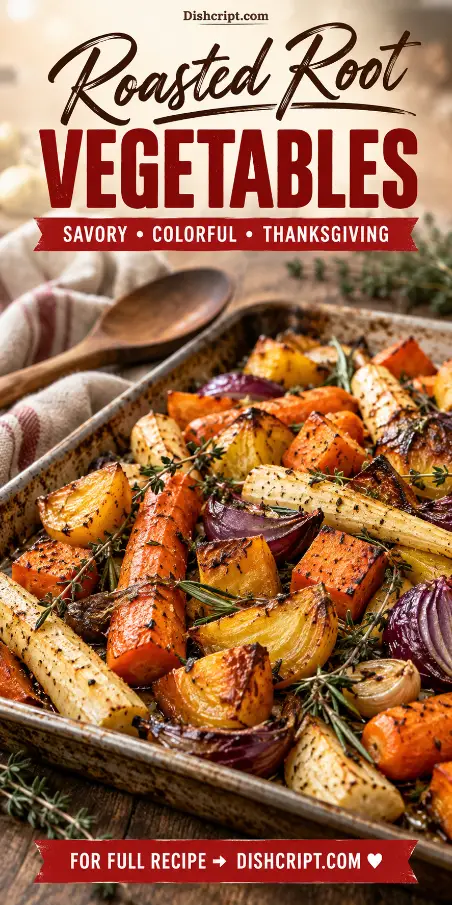
A roasted Thanksgiving vegetable platter is one of the easiest ways to bring several colorful vegetables to the holiday table without making three or four separate side dishes. Instead of serving only one roasted vegetable, this platter combines vegetables with different colors, shapes, and textures, then roasts them until tender and caramelized before arranging everything on one large serving dish.
For Thanksgiving, I like using a mixture of Brussels sprouts, carrots, sweet potatoes, cauliflower, red onion, and either green beans or butternut squash. The vegetables do not all cook at exactly the same speed, so the key is cutting them correctly and adding the faster-cooking vegetables later when necessary.
The seasoning should stay fairly simple. Olive oil, garlic, thyme, rosemary, salt, and black pepper give the vegetables enough flavor without competing with turkey, stuffing, gravy, mashed potatoes, cranberry sauce, and the other holiday dishes.
You can also finish the platter with toasted pecans, dried cranberries, Parmesan, balsamic glaze, fresh herbs, or a small maple-Dijon drizzle.
The result is a colorful Thanksgiving side that feels festive without being heavy.
Why You Will Love This Thanksgiving Vegetable Platter
This platter gives you several vegetable sides in one recipe.
It is:
- Colorful
- Easy to customize
- Naturally gluten-free
- Easy to make vegan
- Lighter than a casserole
- Great for feeding a crowd
- Easy to prepare ahead
- Beautiful on the Thanksgiving table
It also helps balance a rich holiday menu.
If you are already serving mashed potatoes, stuffing, mac and cheese, sweet potato casserole, and gravy, a large platter of roasted vegetables adds texture and freshness.
What Vegetables Are Best for a Thanksgiving Platter?
The best platter uses vegetables with different colors and textures.
A good combination includes:
Brussels sprouts
Brussels sprouts add deep green color and crisp browned edges.
Carrots
Carrots bring sweetness and bright orange color.
Sweet potatoes
Sweet potatoes add soft creamy centers and fall flavor.
Cauliflower
Cauliflower gives the platter a neutral color and slightly nutty roasted flavor.
Red onion
Red onion becomes soft, sweet, and caramelized.
Green beans
Green beans give the platter a brighter, fresher texture.
Butternut squash
Butternut squash is another excellent fall vegetable and can replace or join sweet potatoes.
My Favorite Thanksgiving Vegetable Combination
For one large platter, I like using:
- Brussels sprouts
- Carrots
- Sweet potatoes
- Cauliflower
- Red onion
- Green beans
This combination gives you:
- Green
- Orange
- White
- Purple
- Golden brown
It also gives you a mix of soft, crisp, and caramelized textures.
Can You Add Butternut Squash?
Yes.
Butternut squash works beautifully.
Cut it into about ¾-inch cubes.
You can replace some of the sweet potatoes with squash or use both.
If using both, keep the total amount reasonable so the platter does not become too sweet.
Can You Add Broccoli?
Yes.
Broccoli roasts quickly.
If using it, add it during the second half of roasting so it does not become overly dark before the harder vegetables are tender.
Can You Add Beets?
Yes.
Beets look beautiful on a Thanksgiving platter.
However, red beets can stain everything around them.
If using red beets, roast them separately.
Golden beets are easier because they do not bleed as much color.
Can You Add Parsnips?
Yes.
Parsnips are a great fall vegetable.
They have a slightly nutty and sweet flavor after roasting.
Cut them around the same size as the carrots.
Can You Add Mushrooms?
Yes.
Cremini mushrooms work particularly well.
Because mushrooms release water, give them enough space on the pan.
You may want to roast them on a separate sheet if the pans are already crowded.
Can You Add Potatoes?
Yes.
Yukon Gold potatoes or baby potatoes work well.
However, if your Thanksgiving menu already includes mashed potatoes or scalloped potatoes, you may not need another potato on the platter.
Best Seasoning for Thanksgiving Roasted Vegetables
A simple herb mixture works best.
Use:
- Olive oil
- Garlic
- Thyme
- Rosemary
- Salt
- Black pepper
This seasoning complements turkey and stuffing without making the platter taste too strongly of one flavor.
You can add a little paprika or garlic powder too.
Ingredients for the Roasted Thanksgiving Vegetable Platter
Brussels sprouts
Trim and halve them.
Carrots
Peel and cut into thick diagonal pieces.
Sweet potatoes
Peel and cut into even cubes.
Cauliflower
Cut into medium florets.
Red onion
Cut into thick wedges.
Green beans
Trim the stem ends.
Olive oil
Olive oil helps the vegetables brown.
Garlic
Fresh garlic adds savory flavor.
Thyme
Thyme works especially well with fall vegetables.
Rosemary
Rosemary gives the platter a more traditional holiday aroma.
Salt
Salt brings out the natural sweetness of the vegetables.
Black pepper
Black pepper balances the sweeter vegetables.
Full Ingredient List
- 1 pound Brussels sprouts, trimmed and halved
- 1 pound carrots, peeled and cut into thick pieces
- 1½ pounds sweet potatoes, peeled and cubed
- 1 medium head cauliflower, cut into florets
- 1 large red onion, cut into thick wedges
- 1 pound fresh green beans, trimmed
- 5 tablespoons olive oil, divided
- 4 garlic cloves, finely minced
- 1 teaspoon garlic powder
- 1 tablespoon fresh thyme leaves
- 1 teaspoon finely chopped fresh rosemary
- 1½ teaspoons kosher salt
- ¾ teaspoon freshly ground black pepper
- ½ teaspoon smoked paprika, optional
- 1 tablespoon fresh lemon juice or balsamic vinegar, optional
- Fresh parsley for garnish, optional
Optional Thanksgiving Toppings
You can add:
- ½ cup toasted pecans
- ½ cup dried cranberries
- ½ cup grated Parmesan
- Balsamic glaze
- Maple-Dijon drizzle
- Crumbled goat cheese
- Fresh thyme
- Fresh parsley
Do not use all of them at once.
Two or three finishing ingredients are enough.
Equipment You Will Need
You will need:
- 2 to 3 large baking sheets
- Large mixing bowl
- Cutting board
- Sharp knife
- Vegetable peeler
- Spatula
- Large serving platter
Using enough baking sheets is very important.
If you crowd all the vegetables onto one pan, they steam rather than roast.
Why Different Vegetables Need Different Cooking Times
Not every vegetable softens at the same rate.
Sweet potatoes and carrots take longer.
Green beans cook quickly.
Cauliflower and Brussels sprouts are somewhere in the middle.
If everything is placed in the oven at the same time and cut the same way, some vegetables may burn while others remain firm.
That is why this recipe uses staggered roasting.
How to Cut the Vegetables
Sweet potatoes
Cut into ¾- to 1-inch cubes.
Carrots
Cut into thick diagonal pieces.
Brussels sprouts
Halve medium sprouts.
Quarter very large ones.
Cauliflower
Use medium-sized florets.
Red onion
Cut into thick wedges.
Thin onion slices can burn.
Green beans
Leave whole after trimming.
Keeping each vegetable fairly uniform helps everything roast evenly.
How to Make a Roasted Thanksgiving Vegetable Platter
Step 1: Preheat the oven
Heat the oven to 425°F.
High heat gives better browning.
Step 2: Prepare the vegetables
Wash, peel, trim, and cut everything as needed.
Step 3: Dry everything well
Surface water prevents caramelization.
Pat the vegetables dry.
Step 4: Season the longer-cooking vegetables
In a large bowl, combine:
- Sweet potatoes
- Carrots
- Brussels sprouts
Add about half the olive oil.
Season with part of the garlic, thyme, rosemary, salt, pepper, and optional paprika.
Toss well.
Step 5: Spread on baking sheets
Arrange in a single layer.
Place Brussels sprouts cut-side down where possible.
Step 6: Begin roasting
Roast for about 15 minutes.
Step 7: Season the remaining vegetables
Meanwhile, toss cauliflower and red onion with olive oil and seasonings.
Keep green beans separate.
Step 8: Add cauliflower and onion
After the first 15 minutes, add cauliflower and onion to another sheet pan or available space.
Return everything to the oven.
Step 9: Continue roasting
Roast for about another 10 to 15 minutes.
Step 10: Add green beans
Toss the green beans with a little olive oil, salt, pepper, and garlic powder.
Add them during the final 12 to 15 minutes.
Step 11: Rotate the pans
If using several oven racks, rotate the baking sheets during cooking.
This helps everything brown more evenly.
Step 12: Check for doneness
The vegetables should be tender but not mushy.
You should see browned edges on the sweet potatoes, Brussels sprouts, cauliflower, and carrots.
Step 13: Finish with acid
Remove from the oven.
Add a small amount of lemon juice or balsamic vinegar if desired.
Step 14: Arrange the platter
Arrange the vegetables in groups or loose sections on a large platter.
Step 15: Add toppings
Finish with toasted pecans, cranberries, Parmesan, herbs, or another topping of your choice.
Serve warm.
How to Arrange the Vegetables on the Platter
There are two easy styles.
Mixed platter
Toss everything loosely together.
This gives a casual, rustic appearance.
Color-block platter
Arrange each vegetable in its own section.
For example:
- Brussels sprouts
- Carrots
- Sweet potatoes
- Cauliflower
- Green beans
- Red onion
This style looks more polished and helps guests choose the vegetables they prefer.
For Thanksgiving, I usually prefer the second option.
How to Get Deeply Caramelized Vegetables
Several things matter.
Use high heat
425°F is ideal.
Use enough pans
Do not crowd.
Dry the vegetables
Moisture prevents browning.
Use a light coating of oil
Every piece should have some oil.
Do not move them constantly
Let the vegetables stay against the hot pan long enough to brown.
Use metal sheet pans
They usually brown vegetables better than deep glass dishes.
Should You Use Parchment?
You can.
Parchment makes cleanup easier.
Direct contact with a metal pan often gives slightly stronger browning.
For Thanksgiving, either method works.
If you use parchment, make sure the vegetables are still spread out.
Garlic Herb Thanksgiving Vegetable Platter
For a savory version, keep the seasoning simple.
Use:
- Garlic
- Thyme
- Rosemary
- Olive oil
- Salt
- Black pepper
Finish with parsley and lemon.
This is one of the easiest versions to pair with turkey and gravy.
Maple Roasted Thanksgiving Vegetable Platter
For a sweeter fall version, whisk together:
- 2 tablespoons maple syrup
- 1 tablespoon olive oil
- 1 teaspoon Dijon mustard
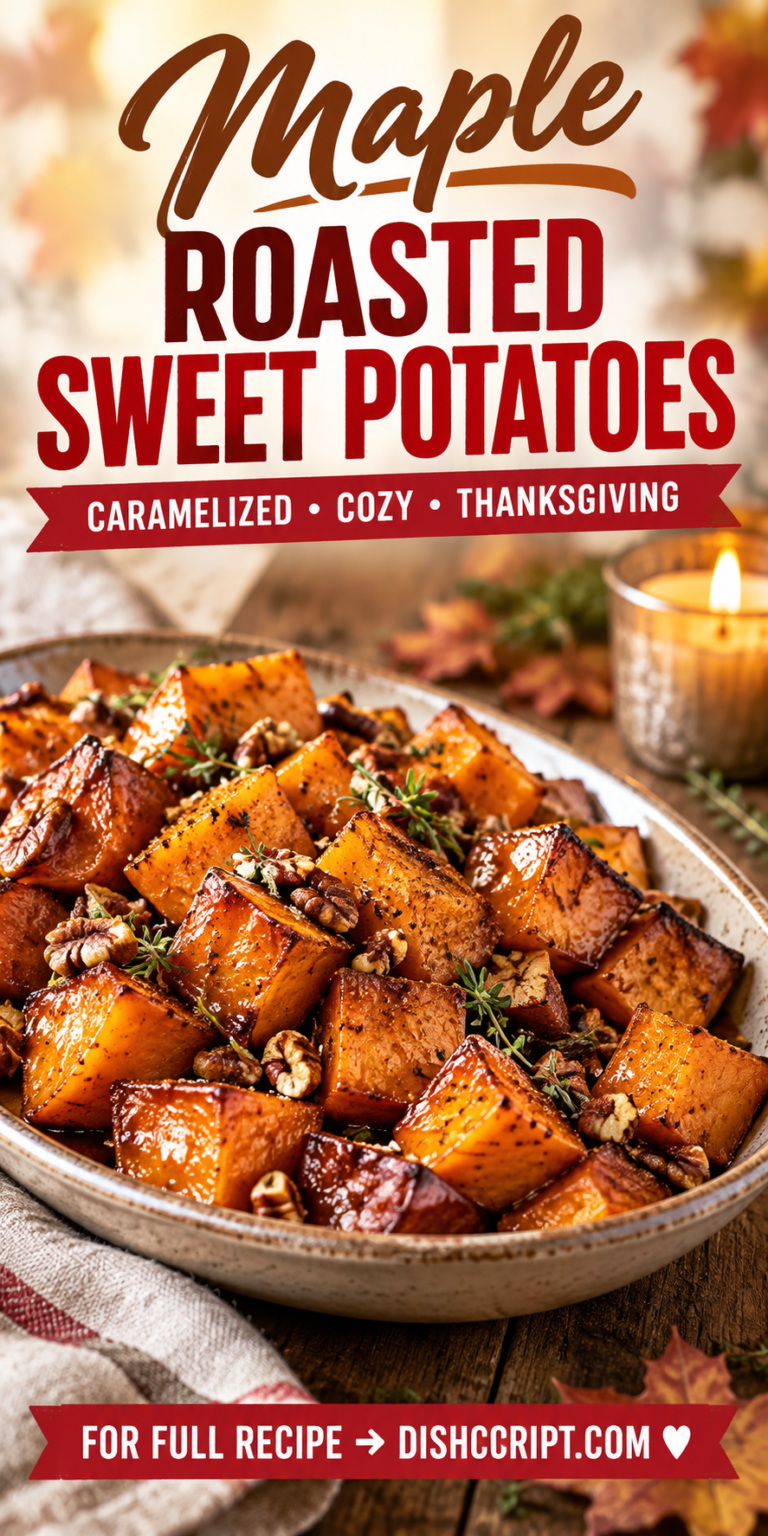
Drizzle lightly over the carrots, sweet potatoes, and Brussels sprouts during the final 5 to 10 minutes.
Do not pour it heavily over the entire platter.
Maple Dijon Vegetable Platter
Maple and Dijon create a balanced sweet-savory glaze.
Mix:
- 2 tablespoons maple syrup
- 1 tablespoon Dijon
- 1 tablespoon olive oil
- 1 teaspoon apple cider vinegar
Brush lightly over the vegetables near the end of roasting.
This works particularly well with carrots, Brussels sprouts, and sweet potatoes.
Honey Balsamic Vegetable Platter
Whisk:
- 1 tablespoon honey
- 1 tablespoon balsamic vinegar
- 1 tablespoon olive oil
Drizzle lightly after roasting.
This gives the vegetables a sweet-tart finish.
Parmesan Roasted Vegetable Platter
Sprinkle Parmesan over:
- Brussels sprouts
- Cauliflower
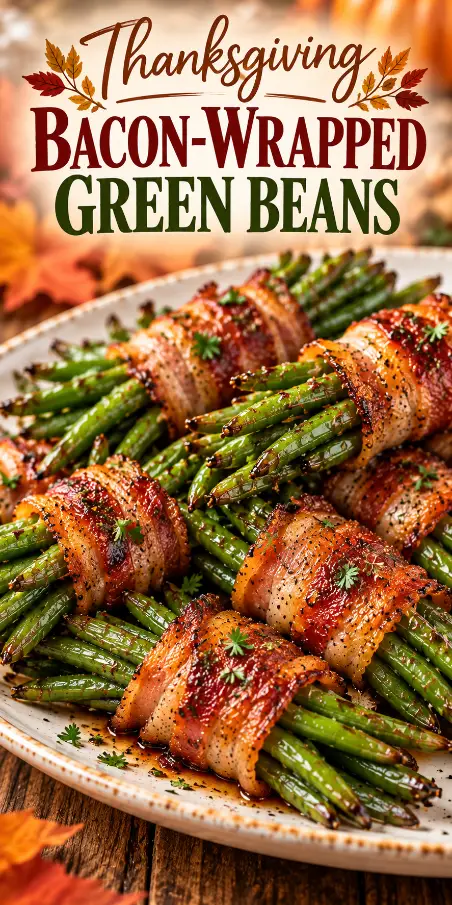
- Green beans
during the final few minutes.
Keep sweet potatoes and carrots mostly plain.
This creates different flavors across the platter.
Cranberry Pecan Thanksgiving Vegetable Platter
This is one of the prettiest versions.
After roasting, add:
- Toasted pecans
- Dried cranberries
The cranberries add red color and tart sweetness.
The pecans add crunch.
This combination works especially well with Brussels sprouts, sweet potatoes, and carrots.
Goat Cheese Thanksgiving Vegetable Platter
Crumble a small amount of goat cheese over the warm vegetables.
It works especially well with:
- Beets
- Carrots
- Brussels sprouts
- Sweet potatoes
The cheese becomes slightly soft from the heat.
Use it lightly so it does not overpower the vegetables.
Feta Roasted Vegetable Platter
Feta gives the platter a stronger salty flavor.
It works particularly well with:
- Cauliflower
- Green beans
- Carrots
Finish with lemon and parsley.
Bacon Roasted Vegetable Platter
Cook bacon until crisp.
Crumble over the finished vegetables.
If you already have bacon-wrapped green beans or another bacon side, I would skip this variation.
Too many bacon dishes can make the Thanksgiving menu feel repetitive.
Spicy Roasted Thanksgiving Vegetables
Add a small amount of:
- Red pepper flakes
- Cayenne
- Smoked paprika
A little heat balances the sweet vegetables.
Keep the spice mild if serving a large group.
Balsamic Roasted Brussels Sprouts and Carrots
If you want part of the platter to have a different flavor, toss the finished Brussels sprouts and carrots with a small amount of balsamic glaze.
Leave the other vegetables savory.
This creates variety without making separate recipes.
Lemon Parmesan Green Beans on the Platter
Finish only the green beans with:
- Lemon zest
- Parmesan
- Black pepper
This gives the platter another distinct section.
Can You Roast Everything Together?
Technically yes, but the result is less consistent.
The vegetables do not all cook at the same speed.
For better results, start the harder vegetables first and add faster ones later.
Using several sheet pans also makes the process much easier.
Can You Roast Everything at 400°F?
Yes.
The vegetables will take slightly longer.
425°F gives stronger caramelization, but 400°F is useful if another Thanksgiving dish must cook at that temperature.
Plan for an extra 5 to 10 minutes.
Can You Roast Everything at 375°F?
You can, but the vegetables will not brown as deeply.
If you have to use 375°F because another dish is in the oven, roast until tender, then increase the heat or broil briefly near the end.
Can You Prepare the Vegetables Ahead?
Yes.
This is one of the best parts of the recipe.
One day ahead:
- Trim Brussels sprouts
- Peel and cut carrots
- Peel and cube sweet potatoes
- Cut cauliflower
- Slice onion
- Trim green beans
Store the vegetables in separate airtight containers.
Can You Season the Vegetables Ahead?
You can prepare the seasoning mixture ahead.
I prefer tossing the vegetables with salt and oil shortly before roasting.
Salt draws moisture from vegetables, and extra moisture can reduce caramelization if they sit too long.
Can You Roast the Vegetables Ahead?
Yes, although freshly roasted gives the best texture.
If necessary, roast until just tender.
Cool.
Refrigerate.
Reheat at high heat before serving.
Add fresh herbs and toppings afterward.
How to Reheat a Thanksgiving Vegetable Platter
Oven
Spread the vegetables back onto baking sheets.
Reheat at 400°F to 425°F for around 8 to 12 minutes.
Air fryer
Small portions can be reheated at 375°F.
This works particularly well for Brussels sprouts and sweet potatoes.
Microwave
This is the fastest method, but the vegetables become softer.
How to Keep Roasted Vegetables Warm
Keep them uncovered or loosely covered in a low oven for a short time.
Do not seal them tightly under foil.
Steam softens caramelized vegetables quickly.
For the best texture, arrange the platter close to serving time.
Thanksgiving Oven Planning
This platter works very well during the turkey’s resting period.
Once the turkey comes out:
- Increase the oven to 425°F.
- Put the longer-cooking vegetables in first.
- Add the faster vegetables later.
- Let the turkey rest while the vegetables roast.
- Arrange the platter just before serving.
This can be much easier than trying to roast vegetables alongside a large turkey.
How Much Vegetables Per Person?
For Thanksgiving with many other sides, plan for around ½ pound raw mixed vegetables per person.
For 8 people, around 4 pounds is usually enough.
For 10 to 12 people, around 5 to 6 pounds gives more comfortable portions.
If the platter is one of only a few sides, make more.
Can You Double the Recipe?
Yes.
Use additional sheet pans.
Do not simply pile twice as many vegetables onto the same pans.
More vegetables require more surface area.
You may need to roast in batches if your oven cannot hold enough pans without blocking airflow.
Can You Make a Small Thanksgiving Vegetable Platter?
Yes.
For four people, try:
- ½ pound Brussels sprouts
- ½ pound carrots
- ½ pound sweet potatoes
- ½ small cauliflower
- ½ red onion
- ½ pound green beans
This gives plenty of variety without creating a huge amount of food.
Thanksgiving Vegetable Platter vs Roasted Root Vegetables
They are similar, but not identical.
Roasted root vegetables
These focus mostly on underground vegetables such as:
- Carrots
- Parsnips
- Sweet potatoes
- Beets
- Turnips
Thanksgiving vegetable platter
This combines several types of vegetables, including:
- Brussels sprouts
- Green beans
- Cauliflower
- Root vegetables
- Onion
The platter gives you more variety in both color and texture.
Thanksgiving Vegetable Platter vs Green Bean Casserole
Green bean casserole is creamy and rich.
The vegetable platter is lighter and more roasted.
If your Thanksgiving table already includes several casseroles, the platter may give the meal more balance.
For a very traditional spread, you can serve both.
Thanksgiving Vegetable Platter vs Roasted Brussels Sprouts
Roasted Brussels sprouts are easier and more focused.
The platter gives guests more choices.
If some guests dislike Brussels sprouts, a mixed platter makes it easier for them to choose carrots, cauliflower, sweet potatoes, or green beans instead.
Can You Use Frozen Vegetables?
Fresh vegetables give the best roasting results.
Frozen vegetables contain more water and usually become softer.
If using frozen vegetables, roast them separately and directly from frozen where possible.
Do not thaw them into a wet pile before roasting.
Is This Vegetable Platter Gluten-Free?
Yes.
The basic roasted vegetable platter is naturally gluten-free.
Check any added sauces or packaged seasonings if you use them.
Is It Vegan?
Yes, if you use olive oil and plant-based toppings.
Skip Parmesan, goat cheese, and butter.
Use maple syrup instead of honey if adding sweetness.
Is It Dairy-Free?
Yes.
The basic recipe uses olive oil and no dairy.
Simply avoid cheese toppings.
How to Make the Platter Look Beautiful
Presentation is a big part of this recipe.
Use a large oval or rectangular platter.
Arrange vegetables in loose sections by color.
For example:
- Green Brussels sprouts
- Orange carrots
- Golden sweet potatoes
- White cauliflower
- Purple onion
- Green beans
Then add small finishing touches.
Good garnishes include:
- Fresh thyme
- Parsley
- Toasted pecans
- Dried cranberries
- Lemon wedges
- Parmesan
Do not cover the vegetables completely.
Their roasted color should remain visible.
How to Add Thanksgiving Color
If the platter looks too green and orange, add:
- Dried cranberries
- Red onion
- Purple carrots
- Red beets
- Fresh parsley
A few contrasting colors make the platter look more festive.
How to Keep the Platter from Looking Messy
Do not toss every topping into every vegetable.
Keep some separation.
For example:
- Pecans near sweet potatoes
- Parmesan over cauliflower
- Cranberries near Brussels sprouts
- Lemon near green beans
This makes the platter look intentional rather than random.
Why Are My Vegetables Soggy?
The usual causes are:
- Overcrowded pans
- Wet vegetables
- Too much oil
- Oven not hot enough
- Deep baking dishes
- Covering vegetables after roasting
Use more baking sheets if necessary.
Why Are Some Vegetables Burnt?
Some pieces may be too small.
Some vegetables may also have been added too early.
Green beans, broccoli, and onions often need less time than carrots or sweet potatoes.
Add faster vegetables later.
Why Are My Sweet Potatoes Hard?
The cubes may be too large.
They may also need a longer head start than the other vegetables.
Cut them around ¾ inch and start them first.
Why Is My Cauliflower Soft Instead of Brown?
The florets may have been crowded.
Give cauliflower plenty of space.
Place flat sides against the pan where possible.
Why Are My Brussels Sprouts Bitter?
Roast them until well caramelized.
Salt, Parmesan, lemon, maple, or balsamic can also help balance bitterness.
Common Mistakes to Avoid
Trying to roast everything on one pan
Use enough baking sheets.
Cutting everything the same size without considering cooking time
Different vegetables need different sizes.
Starting green beans too early
They cook quickly.
Overcrowding
This creates steam.
Using wet vegetables
Dry them first.
Adding sugary glaze too early
Maple and honey can burn.
Overusing rosemary
Rosemary is strong.
Covering the platter tightly
Steam destroys crisp edges.
Preparing toppings too early
Add nuts and cheese near serving time.
Forgetting acid
A little lemon or balsamic can brighten the whole platter.
Frequently Asked Questions
What vegetables are best for a Thanksgiving vegetable platter?
Brussels sprouts, carrots, sweet potatoes, cauliflower, red onion, green beans, and butternut squash are all good choices.
What temperature should I roast the vegetables?
425°F gives excellent caramelization.
Can I prepare the vegetables the day before?
Yes.
Can I roast the whole platter ahead?
Yes, although freshly roasted vegetables have better texture.
Can I add maple syrup?
Yes. Add it near the end.
Can I add cranberries?
Yes. Dried cranberries work especially well.
Can I add pecans?
Yes.
Can I add Parmesan?
Yes.
Can I add goat cheese?
Yes.
Can I use frozen vegetables?
Yes, but fresh vegetables roast better.
How do I keep the vegetables crisp?
Do not crowd the pans and avoid covering the vegetables tightly after roasting.
Can I make it vegan?
Yes.
Can I make it gluten-free?
Yes.
How many vegetables should I use?
Five or six different vegetables usually creates enough variety without becoming difficult to manage.
Should I mix everything before serving?
You can, but arranging the vegetables in sections often looks better.
How to Store Leftover Roasted Vegetables
Let the vegetables cool.
Transfer them to airtight containers.
Refrigerate within about two hours.
Use within 3 to 4 days.
If different vegetables have very different textures, store them separately when practical.
Can You Freeze Leftover Roasted Vegetables?
Yes, but some vegetables become softer after thawing.
Sweet potatoes and carrots freeze better than green beans.
For the best quality, refrigerate and use leftovers within a few days.
Leftover Thanksgiving Vegetable Platter Ideas
Leftover roasted vegetables are very useful.
Add them to:
- Thanksgiving leftover bowls
- Grain bowls
- Salads
- Pasta
- Omelets
- Frittatas
- Breakfast hash
- Turkey wraps
- Quesadillas
- Soup
You can also blend some of the softer vegetables with broth to make an easy roasted vegetable soup.
Thanksgiving Cooking Timeline
One day before
Wash and cut all the vegetables.
Store them separately.
Toast pecans if using.
Grate Parmesan if using.
Prepare any glaze or seasoning mixture.
Thanksgiving day
Preheat the oven to 425°F.
Season and roast the harder vegetables first.
Add cauliflower and onion.
Add green beans last.
Finish with lemon, balsamic, or maple if desired.
Arrange the vegetables on a large platter.
Add toppings.
Serve warm.
Final Thoughts
A roasted Thanksgiving vegetable platter is one of the easiest ways to serve several colorful vegetables without preparing a separate recipe for each one.
Brussels sprouts, carrots, sweet potatoes, cauliflower, red onion, and green beans give you a mix of colors, textures, and flavors that fits naturally beside turkey, stuffing, gravy, mashed potatoes, and the rest of the holiday meal.
The most important part is managing the cooking times.
Start the harder vegetables first.
Add quicker vegetables later.
Give everything enough room on the baking sheets.
Roast at high heat until the edges are caramelized and the centers are tender.
From there, you can keep the platter simple with garlic, thyme, rosemary, salt, and pepper or make it more festive with pecans, cranberries, Parmesan, maple-Dijon glaze, balsamic, or goat cheese.
For Thanksgiving, it is especially convenient because all of the vegetables can be cut the day before and roasted while the turkey rests.
The finished platter looks colorful, feeds a crowd, and gives the Thanksgiving table a lighter roasted side among all the creamy casseroles and rich holiday favorites.